Short Sisterlocks Styles for Black Hair: 15 Ways to Wear Them
In this guide
Short sisterlocks are the most versatile stage of the sisterlocks journey: hundreds of tiny, uniform locs that style like loose hair but never need daily combing. The 15 styles below cover bobs, tapers, curls, updos and color for chin length and shorter locs, plus honest install costs, retightening notes, and the rod method I use for curls that last a week.
When I started my sisterlocks, they barely reached my chin, and I assumed styling would have to wait until they grew. I was wrong in the best way. Short sisterlocks move, curl, pin and part almost like loose hair, and the first year turned out to be the most playful stage of my whole journey.
What follows is everything I have worn, loved, or pinned on my short loc clients and friends: how sisterlocks actually begin, how they compare to traditional locs and microlocs, 15 styles that work right now at short length, and what the whole thing honestly costs.
How Sisterlocks Begin: The Grid, the Consultant, the Patience
Sisterlocks are not braided in or twisted up at home. They are installed by a trained consultant using a precise grid parting pattern and a small interlocking tool, and that grid is exactly why they fall so neatly and style so easily from day one.
Your journey starts with a consultation, where the consultant checks your hair texture and density, talks through your lifestyle, and usually installs a few test locs. Most consultants ask for at least 2-3 inches of natural hair to start comfortably. The installation itself is the long part: even on short hair, expect many hours across one or two sittings, because a full head holds 400 or more tiny locs.
Then comes the settling stage, the first 6-12 months while the locs tighten and learn their shape. In that season you shampoo carefully, avoid heavy creams and oils that cause slippage, and keep every retightening appointment. It asks patience, but the grid does the styling work for you in the meantime. If a multi-year commitment is more than you want right now, knotless braids give you a similar neat, versatile look with a six week exit plan.
Sisterlocks vs Traditional Locs vs Microlocs
All three are locs, but they differ in size, method, cost and daily freedom. This is the comparison I walk friends through when they are deciding which loc family fits their life.
| Sisterlocks | Traditional locs | Microlocs | |
|---|---|---|---|
| Install time | 15-30 hours over 1-3 sittings | 4-8 hours | 8-16 hours |
| Install cost | $800-$2,500 depending on length and city | $100-$400 | $300-$800 |
| Loc size and count | 400-600 very fine locs on a set grid | 80-120 pencil-thick locs | 150-300 small locs, free parting |
| Upkeep | Retightening every 4-6 weeks with a consultant | Retwist or palm roll every 4-8 weeks | Interlocking every 4-6 weeks, often self-taught |
| Styling feel | Closest to loose hair: curls, updos, parts hold well | Bold, sculptural styles | Flexible, similar to sisterlocks |
My honest take: choose sisterlocks if you want the most styling freedom and a uniform, salon-kept finish, and you can commit to the retightening schedule. Choose microlocs if you want a similar look with more DIY control. Traditional locs win on install price and bold presence.
15 Short Sisterlocks Styles to Try
Short here means chin length and above, the stage where sisterlocks are light, quick to wash, and endlessly restyleable. A few of these, like the rod sets and petal updos, ask for locs that have finished settling; the rest work from the very first month.
1. Classic Short Sisterlocks Bob
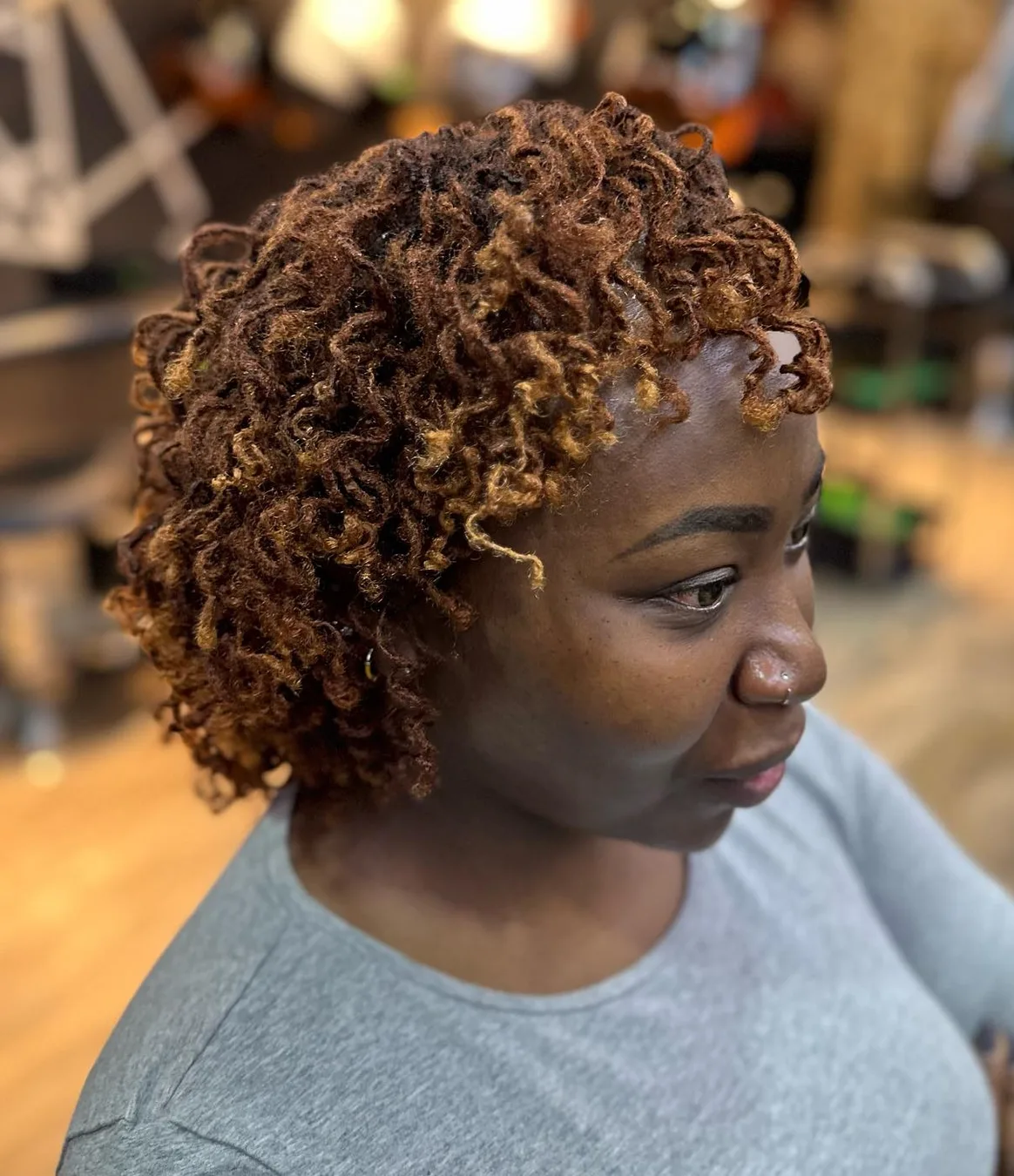
The classic short bob is where most sisterlocks journeys begin, and it stays a favorite long after. Hundreds of fine locs cut or grown to chin length fall like a loose hair bob, with a clean center or side part and ends that brush the jaw. It flatters oval, heart and longer face shapes especially well, because the curtain of locs frames the face softly. Daily upkeep is almost nothing: shake, fluff the roots, and go. Keep the retightening every 4-6 weeks and the bob line stays crisp instead of fuzzy. If you are still deciding between loc and loose hair shapes, compare it with the cuts in my bob hairstyles guide.
2. Side-Swept Short Sisterlocks
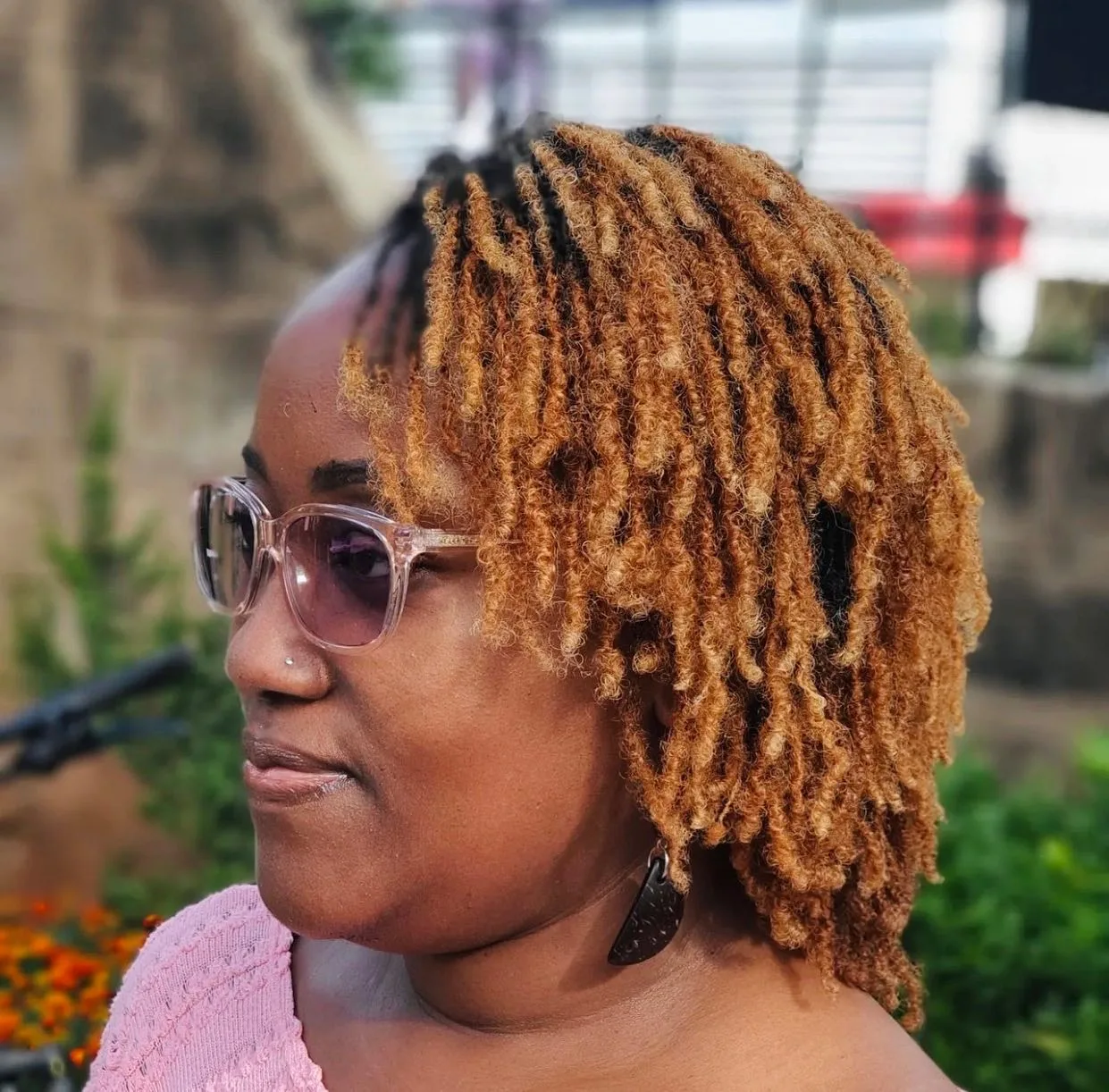
A deep side part changes the whole mood of short sisterlocks in about ten seconds. You part the locs low on one side, sweep the front across your forehead, and tuck the smaller side behind your ear for an asymmetric, soft finish. It is a kind look for round and square faces, because the diagonal line breaks up width and adds length. There is no cutting involved, so it is the perfect experiment on a slow morning. Ask your consultant to keep the front row retightened neatly, since a tidy hairline is what makes the sweep look intentional.
3. Tapered Sisterlocks

Affiliate links: I may earn a small commission at no extra cost to you. Prices as of Nov 27, 2026, and may change.
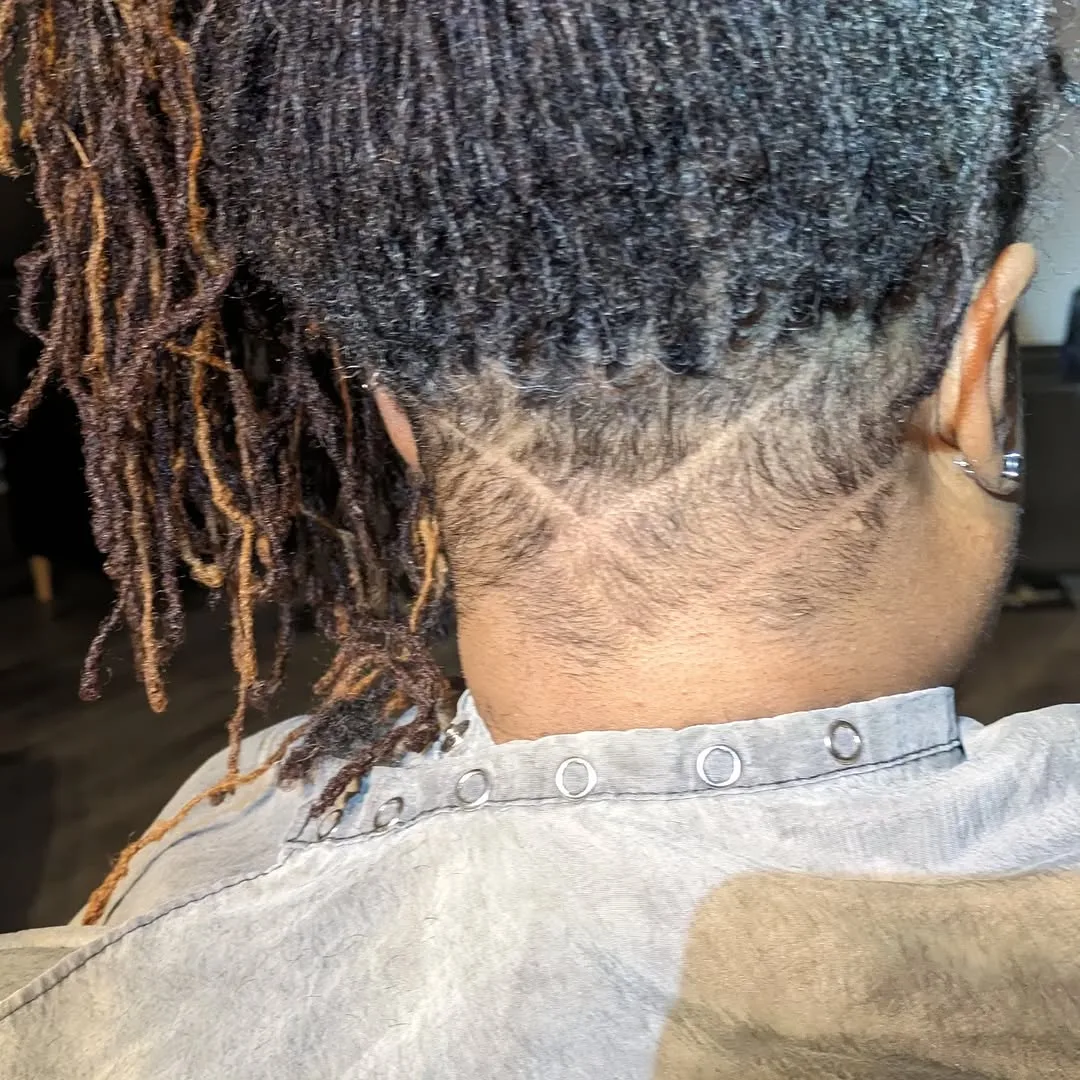
Tapered sisterlocks keep the sides and back clipped short while the locs on top stay long enough to style. The shape is sharp, modern, and incredibly cool in summer, and it puts all the attention on the top where your styling happens. It suits confident faces and anyone who loves a barbershop finish with a soft crown. Upkeep is a partnership: your barber refreshes the taper every 2-3 weeks, and your consultant retightens the top on the normal 4-6 week cycle. Just make sure the two of them agree on where the taper line lives, so nobody clips into a loc.
4. Sisterlocks Pixie With Shaved Sides
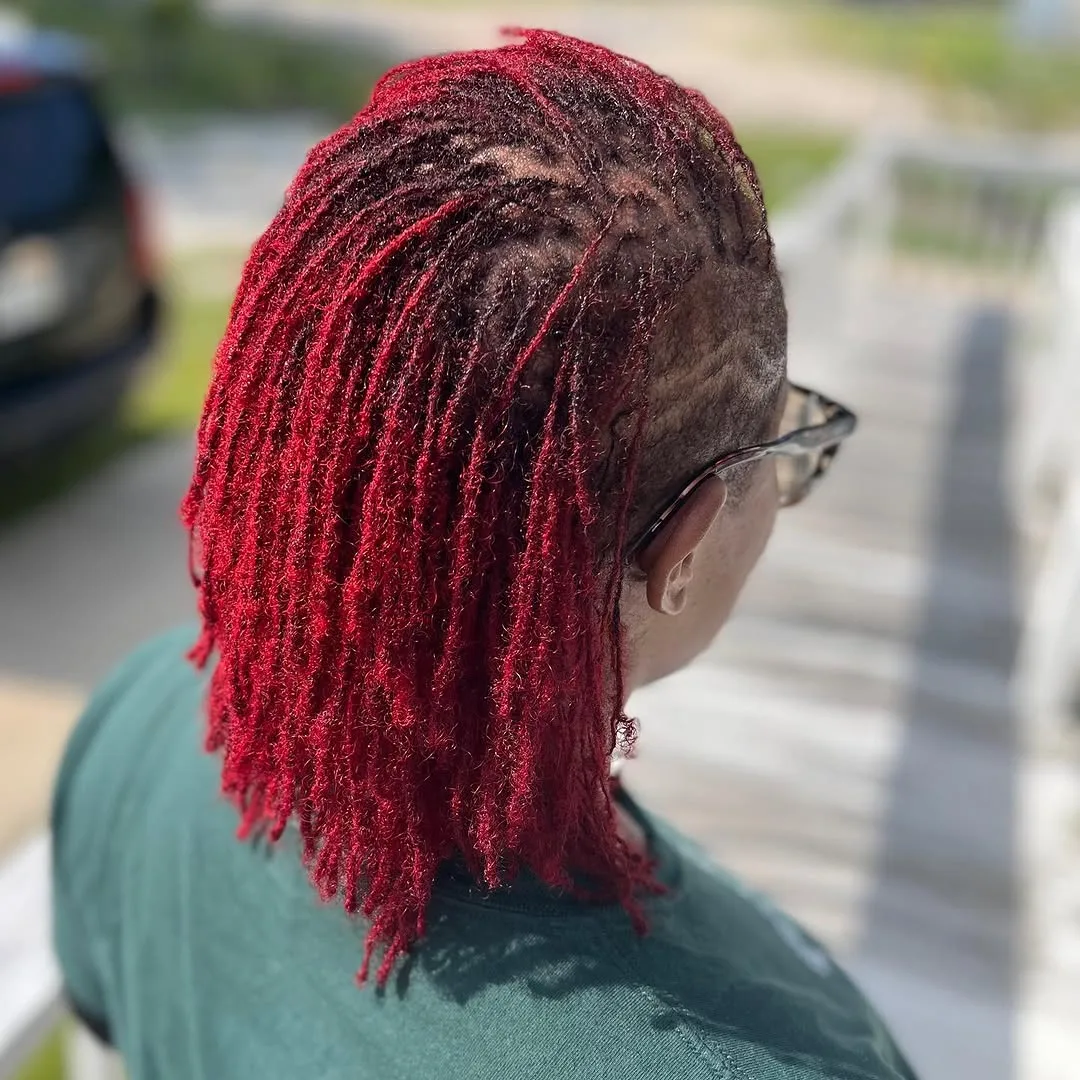
The pixie version takes the taper further: fully shaved or closely buzzed sides with a cap of short locs on top. Worn forward, it reads like a textured pixie; pushed up, it turns edgy. It is a beautiful match for strong cheekbones and oval faces, and it grows out gracefully because the top keeps its shape. The trade-off is maintenance on the shaved parts, which want a clipper pass every 1-2 weeks to stay clean. Retightening only covers the top section, so those appointments run a little shorter and cheaper. For the loose hair version of this energy, see my pixie haircut ideas.
5. Sisterlocks Frohawk
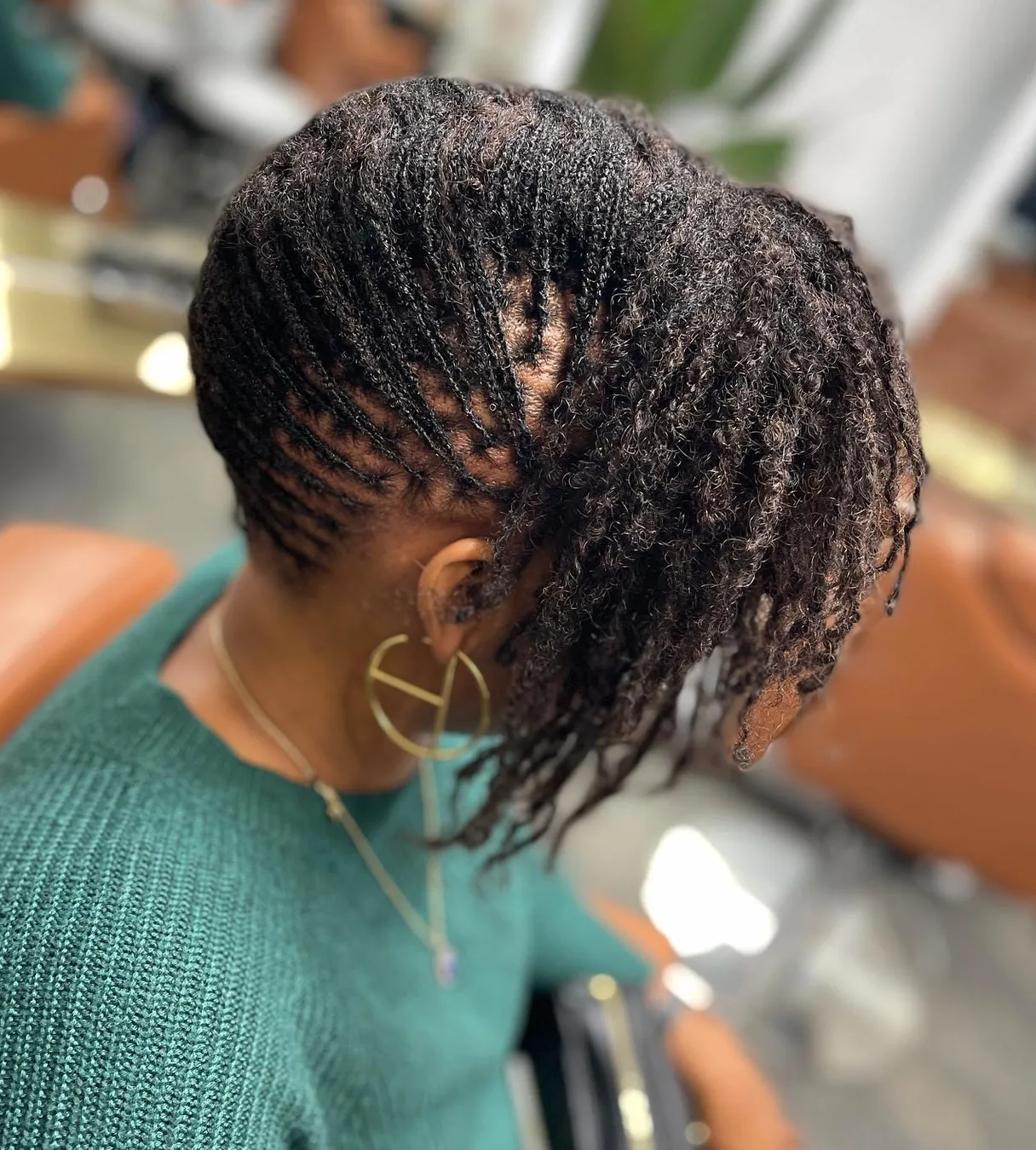
The frohawk gathers or pins the sides flat and lets the center strip of locs stand tall. On short sisterlocks it is pure statement: fun, tall, and surprisingly wearable, because the fine locs stack into a soft crest instead of a stiff one. It lengthens round faces and loves a bold earring. For a pinned version, cross two bobby pins at each side and let the top locs fall over them; for a tapered cut version, your barber does the shaping. Keep the center locs moisturized, since styled-up hair dries faster, and loosen the pins at night so the roots can rest.
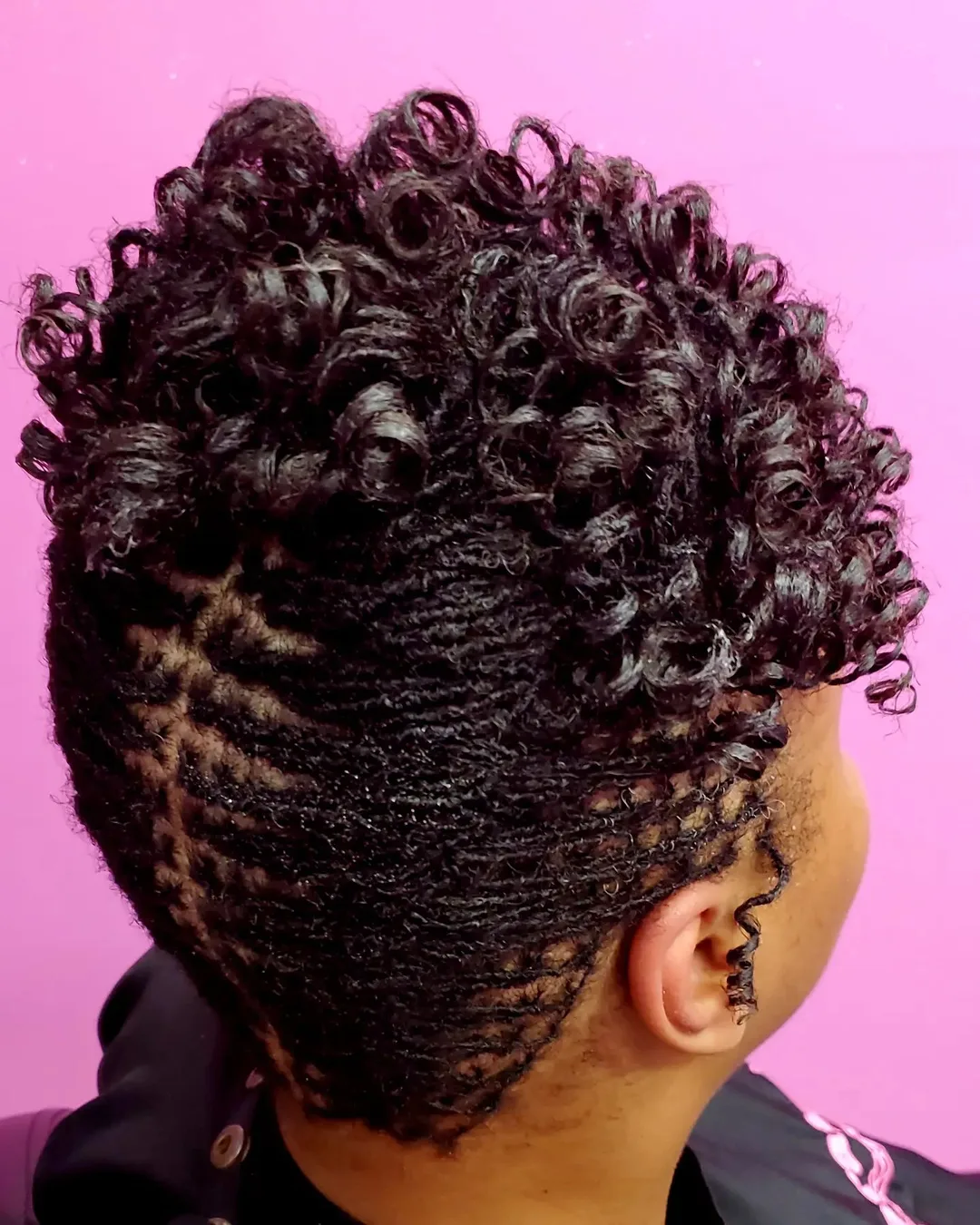
6. Pipe Cleaner Curls
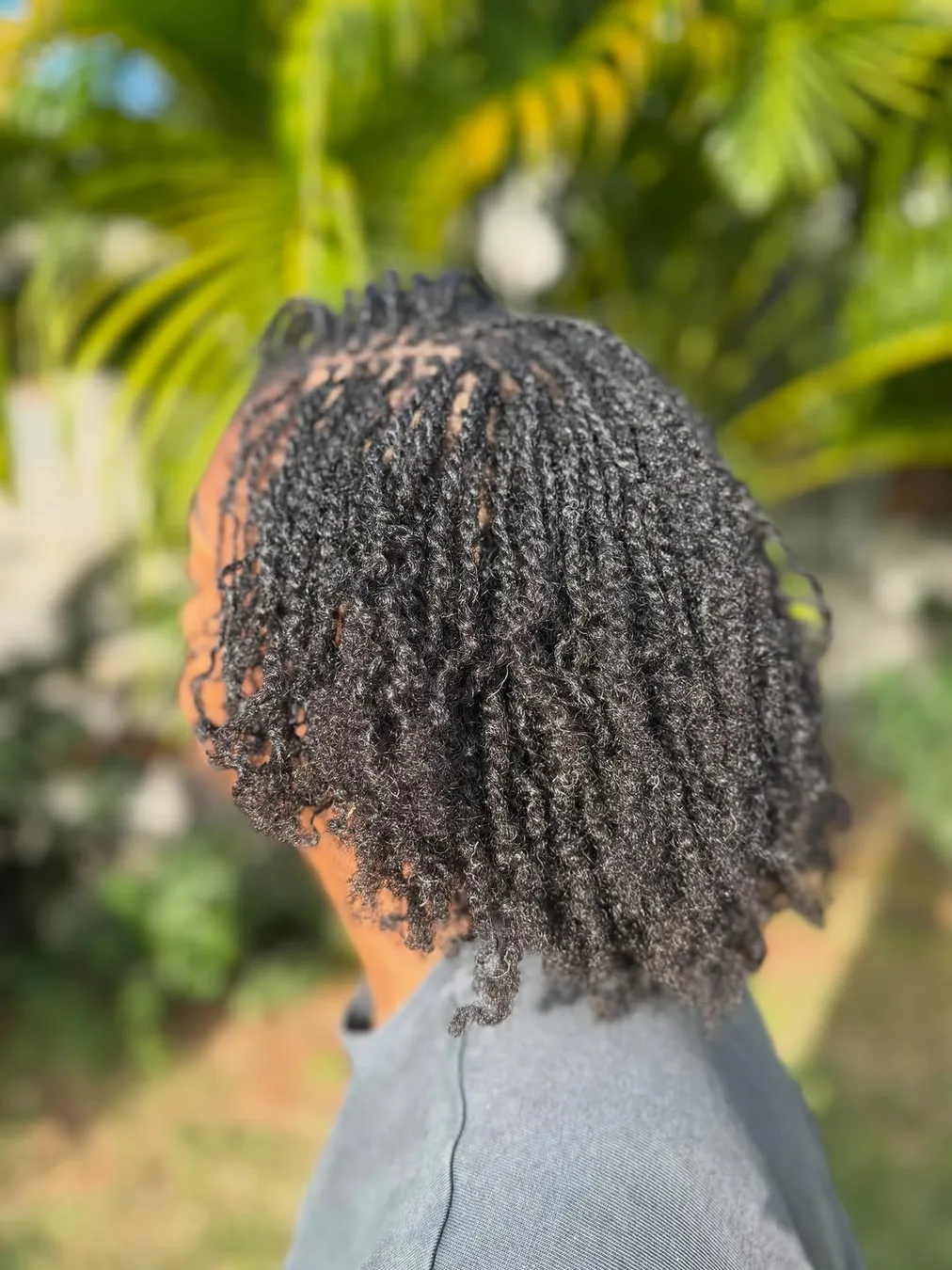
Pipe cleaner curls are the classic sisterlocks curl, and on short locs they are adorable: tight, springy spirals with serious bounce. You wrap small bundles of damp locs around pipe cleaners, let them dry fully, then unwind to a head full of coils that can last 2-3 weeks. The style adds body and width, which fine or thin-looking locs love, and it softens angular faces. Wait until your locs have settled before your first set, and check with your consultant if you are unsure. Between sets, sleep in a satin bonnet and the curls will loosen gracefully instead of frizzing.
7. Rod Set Spiral Curls
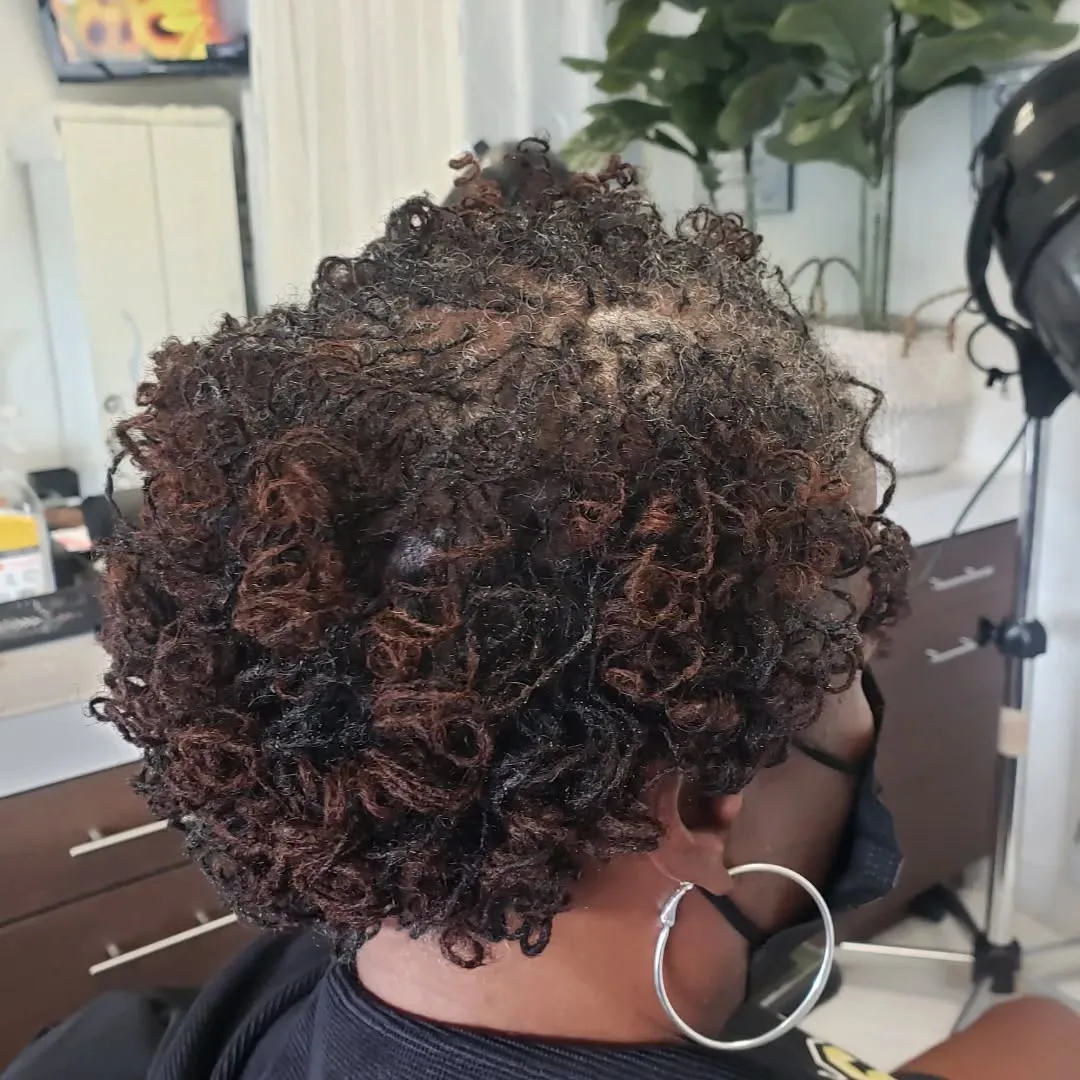
Where pipe cleaners give tight coils, flexi rods give loose, glamorous spirals. Bigger bundles of locs on bigger rods make soft waves; smaller sections make defined ringlets, and the full step-by-step is waiting for you further down this page. Rod sets are my pick for weddings, photos and any week I want my short locs to look dressed up. They last about a week with bonnet care, then relax into pretty waves. Because the locs are fully dry before the rods come out, the set holds without any product heavier than a light setting foam.
8. Braid-Out Waves
Affiliate links: I may earn a small commission at no extra cost to you. Prices as of Nov 27, 2026, and may change.
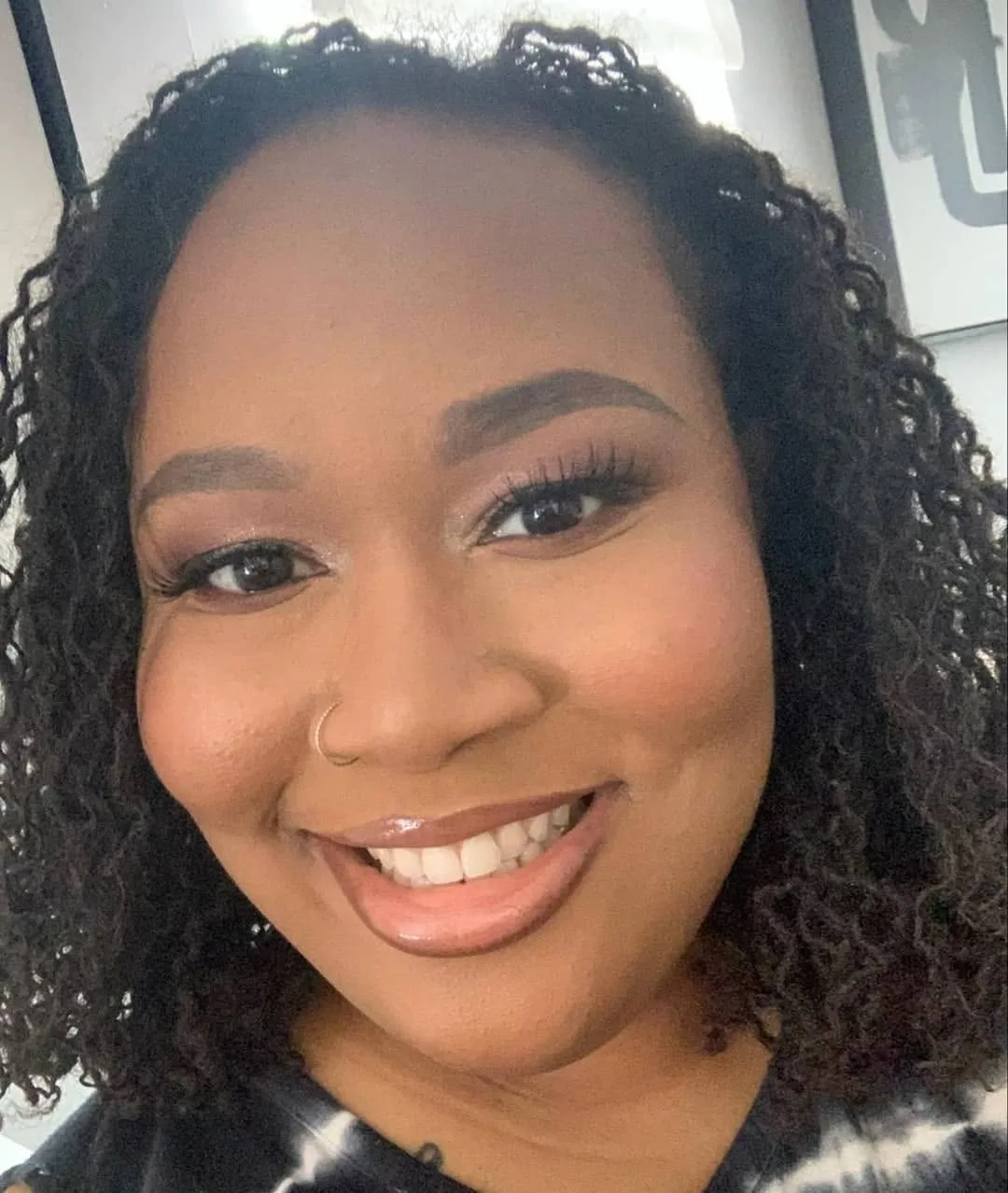
The braid-out is the gentlest wave your locs will ever get: braid them into 4-6 plaits at night, sleep, and undo them in the morning for soft, loose waves. There are no tools, no heat, and nothing to buy, which makes it the first curl method I suggest to newer sisterlocks wearers once their consultant gives the all-clear. The finish is the most natural of the three curl styles, more movement than definition. On short locs the waves last 2-4 days before they relax back. A light mist of water and a quick re-braid refreshes them midweek in five minutes.
9. Petal Bun Updo
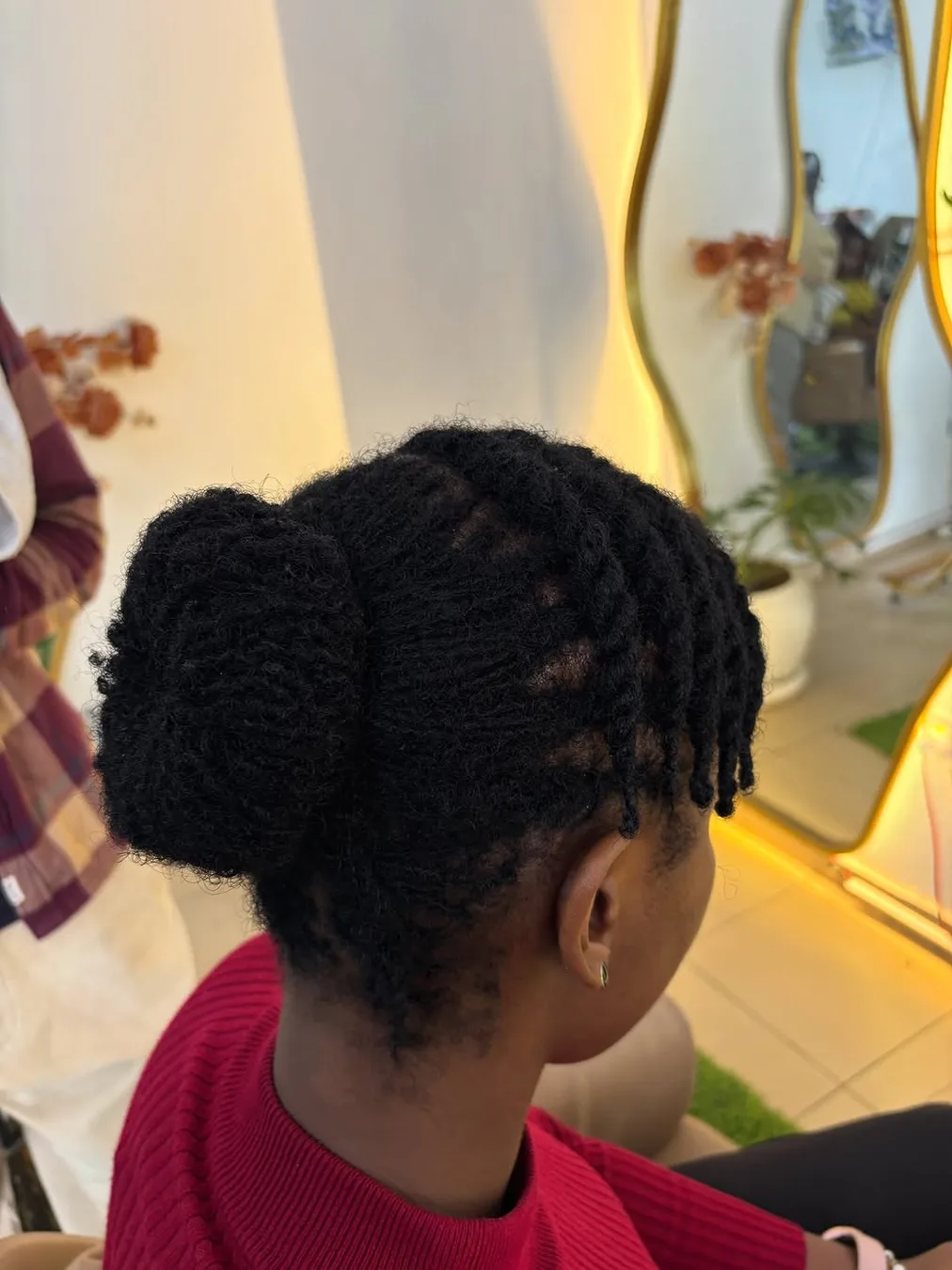
The petal bun loops sections of locs back on themselves and pins them into soft petal shapes at the crown or nape. It is the updo I reach for at weddings and formal dinners, because it looks intricate while being nothing more than loops and pins. Chin length locs can do a small version; you just work in more, smaller petals. As a bonus, the ends stay tucked away, which makes it quietly protective too. Give yourself 20 unhurried minutes the first time, and take photos of your pin pattern so the second time takes ten.
10. Flat Twist Crown
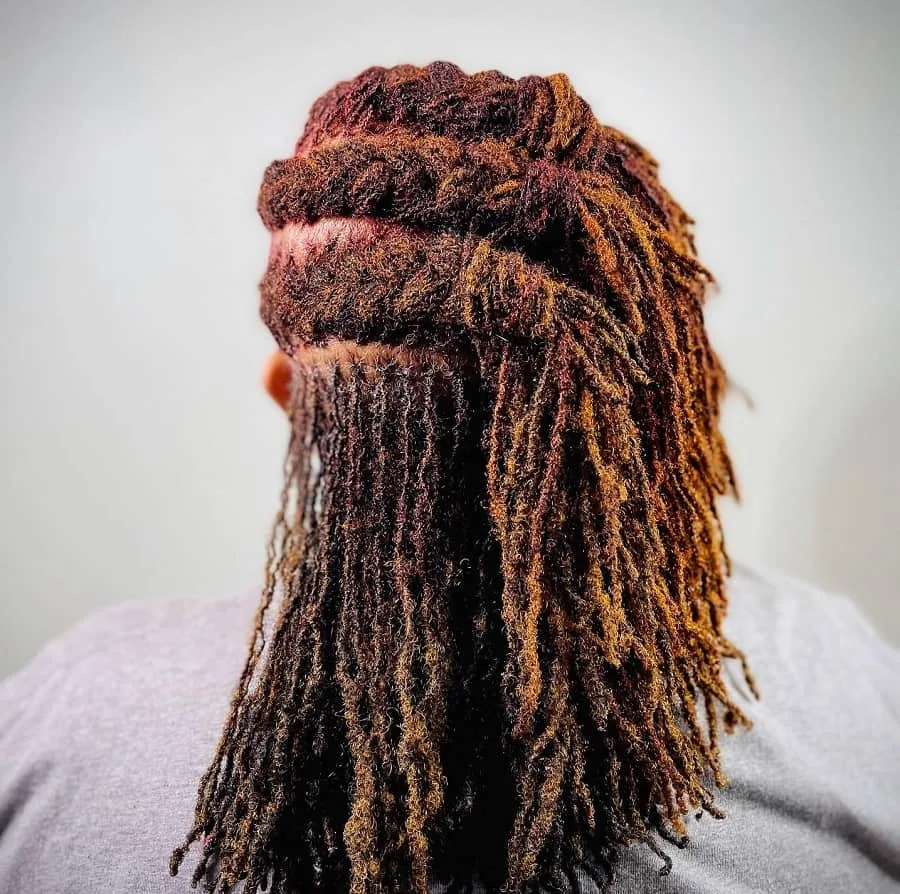
The flat twist crown twists the front row of locs flat along your hairline, halo style, and leaves the back loose, curled, or pinned. It keeps every strand off your face, which makes it a summer and workout favorite, and it photographs like a headpiece you were born wearing. It suits all face shapes, and it is especially pretty with the back set in pipe cleaner curls. The front row carries the style, so this is the row to keep retightened on schedule. My twists last about a week before the front softens, and a scarf at night stretches that further.
11. Formal Pinned Updo
For galas, interviews and weddings where you are a guest, the formal pinned updo smooths the sides and back up and tucks the ends into a neat finish at the crown. On short locs the trick is to pin in small sections, working around the head, and let one decorative pin, gold in my case, do the talking. It reads polished and expensive, and it asks for no heat and no product beyond a light oil sheen. Oval and long faces wear it beautifully; round faces can leave two face-framing locs loose at the front. Book it after a retightening week, when the roots are at their neatest.
12. Honey Blonde Tips
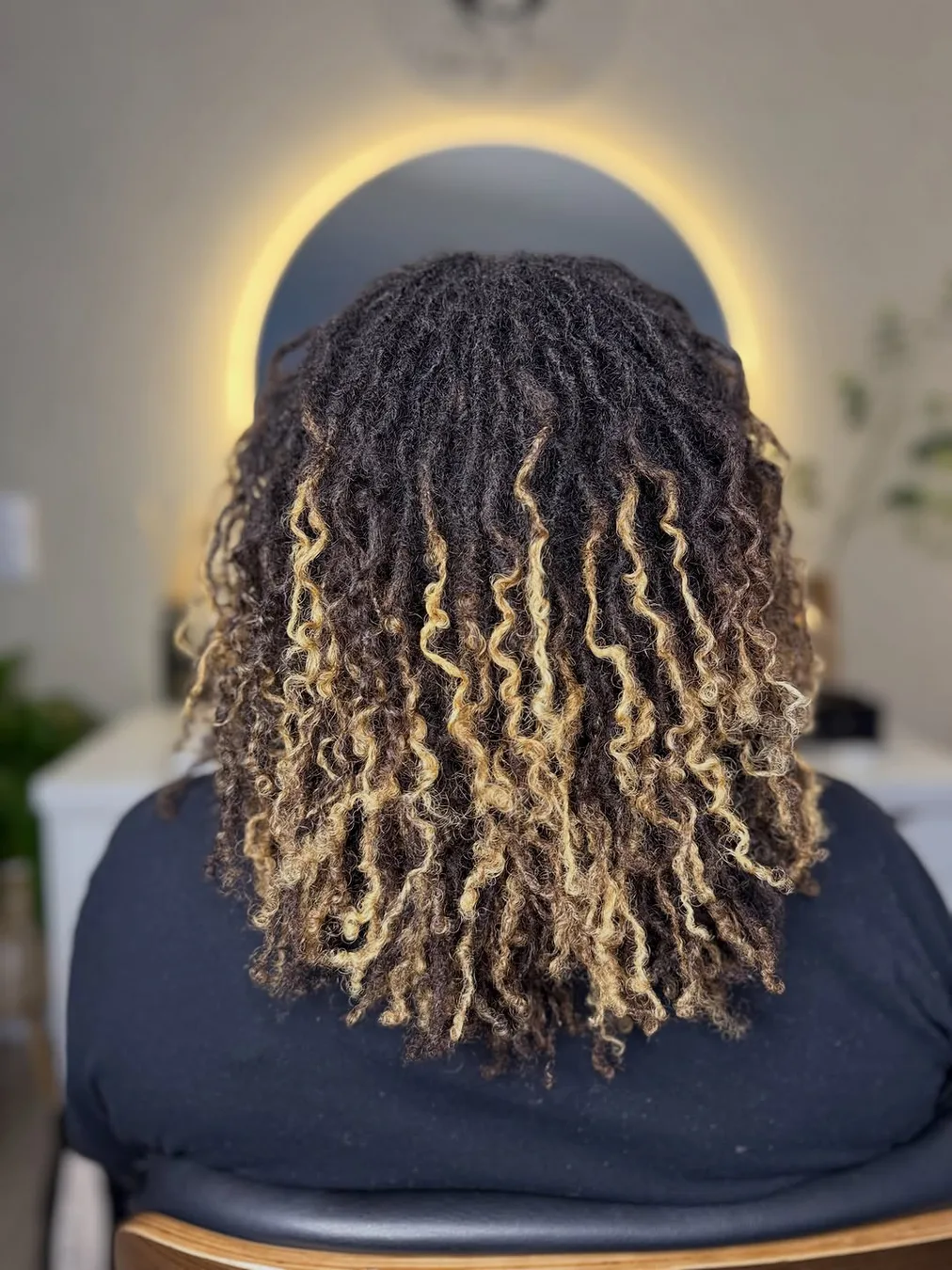
Coloring just the last inch or two of short sisterlocks gives you brightness without commitment. Honey blonde tips catch the light when your locs move, warm up deep skin tones, and grow out gracefully because there is no harsh root line to chase. Only color locs that have fully settled, and get your consultant's blessing first, since dye changes how young locs behave. Colored ends drink more moisture than the rest, so they get their own extra drop of oil in my routine. It is the lowest-risk first color in the loc world, and the one I started with.
13. Copper Sisterlocks
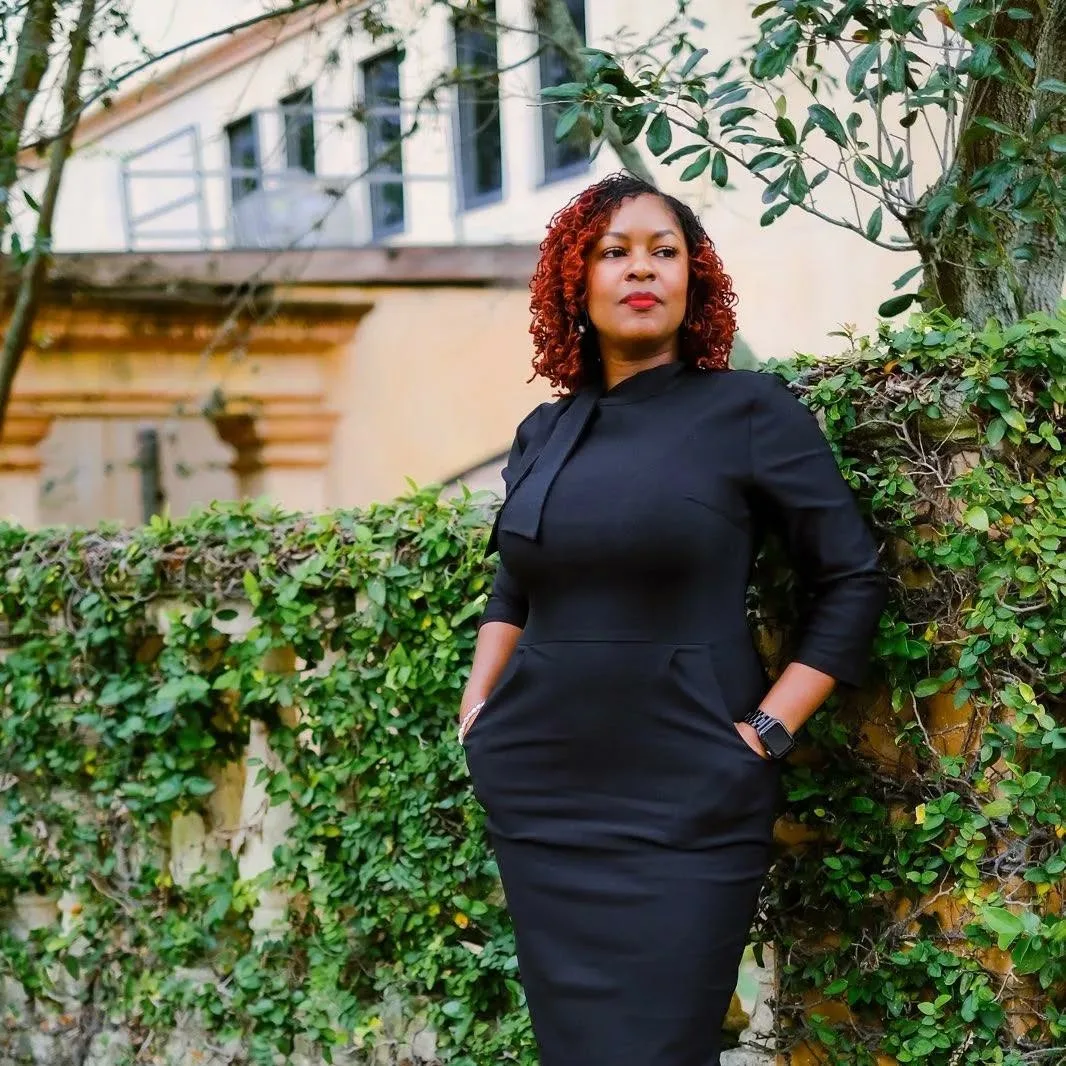
Copper is the color that stops strangers to ask about your hair. Worn all over or through the top section only, it glows against brown skin in a way few shades do, and on short locs the color reads as one rich, intentional statement. Because dark locs need lift to reach copper, this is salon color territory for most of us, not a box on a whim. Use a color-safe, residue-free shampoo so buildup does not dull the shade between retightenings. Expect a gentle fade over 3-4 months, which honestly just gives you a rotating wardrobe of coppers.
14. Burgundy Sisterlocks
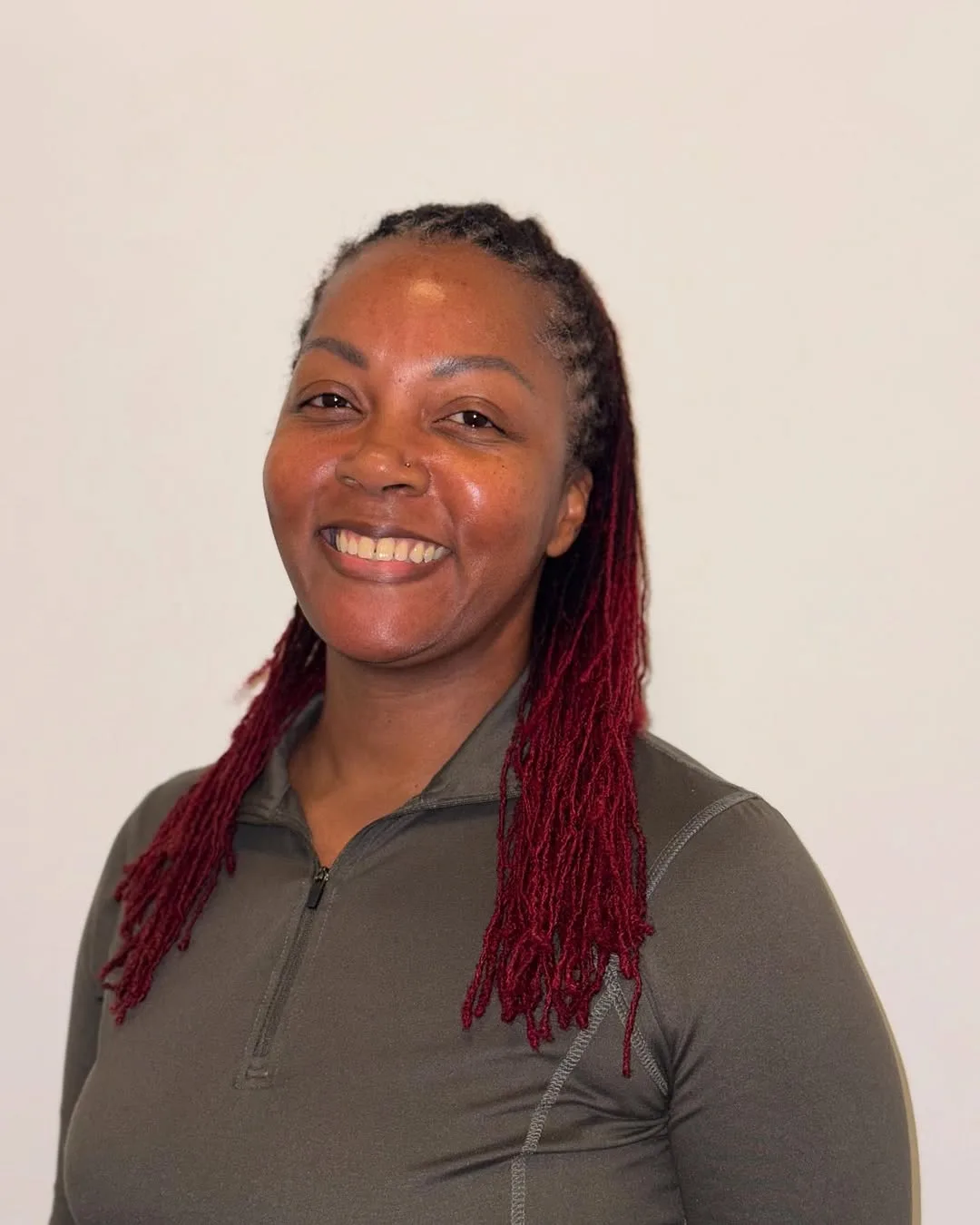
Burgundy is copper's moodier sister: deep wine tones that look almost black indoors and pour red in the sunlight. It flatters cool and neutral undertones, and because it sits closer to natural dark hair, it usually needs less lifting, which means less stress on young locs. I love it in autumn, but there is no season on this color, it is a personality. Keep dyed locs out of the retightening chair confusion by telling your consultant about any fresh color before your appointment. A satin bonnet matters double here, since friction fades color at the crown first.
15. Beads, Cuffs and Shells
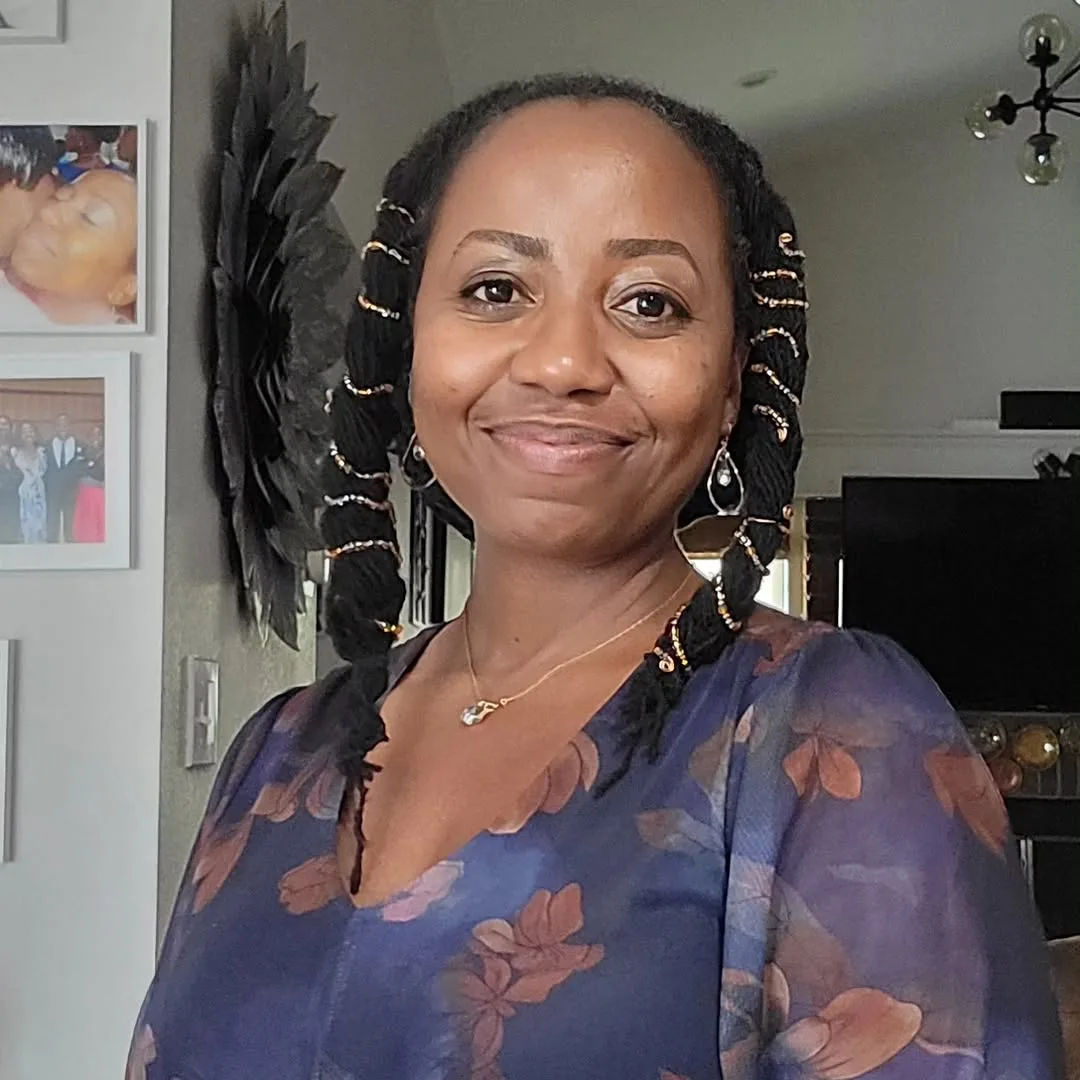
Loc jewelry is the fastest style change in this entire list: thread gold cuffs, wooden beads or small shells onto individual locs and your plain bob becomes a look in four minutes. Because sisterlocks are so fine, choose lightweight pieces sized for small locs, and spread them out instead of loading one loc with treasure. Rotate which locs carry jewelry so no single loc bears weight day after day, and take everything out before retightening and before wash day. This is my favorite trick before festivals, holidays and photos. More protective style inspiration lives in the braids and protective styles hub.
How to Curl Short Sisterlocks With Rods, Step by Step
Rod sets are how I get soft, glossy spirals that last about a week. The method is gentle, heat-free if you air dry, and safe for settled locs; if your sisterlocks are under six months old, ask your consultant before your first set.
- Start on clean, freshly washed locs. Curls set best on hair that is free of buildup, so wash day is set day.
- While the locs are damp, work in small sections. One rod takes a bundle of about 8-12 locs, depending on how big you want the curl.
- Smooth a pea-sized amount of light setting foam over the bundle. Skip heavy gels and creams, which leave residue inside locs.
- Wrap the bundle around a flexi rod from ends to root, keeping the locs flat against the rod, then bend the rod ends to lock it in place.
- Repeat around the whole head. For short locs this takes me 30-40 minutes, less once your hands learn it.
- Dry completely. Air dry overnight in a satin bonnet, or sit under a hooded dryer for 45-60 minutes. Damp centers are why sets fall early.
- Unbend and unroll each rod gently, in the opposite direction you wrapped. Do not pull the curl apart yet.
- Separate each curl bundle into 2-3 spirals with your fingers, fluff the roots lightly, and shape with your hands only.
To keep the set alive, pineapple the curls loosely under your bonnet each night and keep your hands out of them during the day. By day five mine relax into waves, which I count as a second free style.
What Short Sisterlocks Really Cost
Let us talk money plainly, because sisterlocks are an investment and you deserve the real numbers before the consultation. Short hair costs less to install than long hair, but less is a relative word here.
Most women I know paid $800-$1,800 to install sisterlocks on short hair, with big city consultants reaching $2,500. The consultation itself often runs $25-$75 and is sometimes applied to your install. After that, retightening every 4-6 weeks typically costs $100-$200 a session, which adds up to roughly $1,000-$2,000 a year in upkeep.
Two honest warnings from experience. First, skipping retightening appointments to save money costs more later: overgrown roots tangle, locs slip and bunch, and repair sessions are priced accordingly. Second, there is an official retightening class that certifies wearers to maintain their own locs, and many long-term wearers take it in year two or three and cut their salon bill dramatically. I took it in my third year, and it remains the best money I ever spent on my hair.
FAQs
How long does hair need to be to start sisterlocks?
Most consultants ask for at least 2-3 inches of natural hair. More length makes the installation easier to grip and gives the baby locs room to settle, but short starts are completely normal. My own set began at barely chin length when stretched, and the short stage styled beautifully from the start.
How often do short sisterlocks need retightening?
Every 4-6 weeks, on schedule. New growth shows quickly on short locs, and the neat grid that makes sisterlocks so versatile depends on those regular appointments. Stretching to 8 weeks or more risks slippage, bunching and thinning at the roots.
Can I curl and style sisterlocks in the first months?
Gentle styles, yes; anything that pulls or needs product buildup, wait. In the settling stage your locs are still tightening, so stick to loose styles, the braid-out if your consultant approves, and careful shampooing. Rod sets and pipe cleaner curls join the rotation once your consultant confirms your locs have settled, usually after the first 6-12 months.
Are sisterlocks permanent?
Plan on them being a long-term commitment. Sisterlocks can technically be combed out in the first year or so, but it takes days of patient work, and after that, cutting is the realistic exit. That permanence is exactly why the consultation, the test locs and the honest cost talk matter before you begin.
What is the difference between sisterlocks and microlocs?
Sisterlocks follow one trademarked system: a specific grid pattern, a patented locking tool, and installation and retightening by trained consultants. Microlocs are small locs started by interlocking, braiding or twisting, with free parting and no single standard, so they cost less to start and allow more DIY upkeep. The finished look can be very similar; the structure behind it is what differs.
Short sisterlocks are not a waiting room for long locs, they are a whole style era of their own. Save this to your locs board so the 15 styles, the rod set steps and the honest costs are ready before your consultation.

Twelve years behind the chair taught me one thing: the best hairstyle is the one that works on your hair, your morning and your budget. That is the standard for every guide here.