Winter Balayage: 21 Cool, Cozy Color Ideas for the Season
In this guide
Winter balayage is hand painted color with a seasonal twist: cooler, deeper, or richer tones like mushroom blonde, icy platinum, rich espresso, and warm copper. It grows out softly with no harsh line, so it suits the busy holiday season perfectly. Expect 2 to 4 hours in the salon chair and a refresh every 8 to 12 weeks.
When the weather turns cold, our hair color cravings change with it. The bright, beachy blonde of summer starts to feel out of place next to knit sweaters and deeper makeup, and that is exactly where winter balayage comes in.
Below are 21 winter balayage shades for blondes, brunettes, and redheads, plus more looks for Black hair and honest cost and timing guidance. If you are new to the technique itself, start with our full balayage hair color ideas guide, then come back here for the seasonal versions.
What Makes Balayage a Winter Color
Winter balayage is regular balayage adjusted for the season: the palette shifts cooler, deeper, or richer, and the contrast softens. Think smoky tones, glossy depth at the root, and ends that look lit by candlelight rather than sunshine.
Colorists usually deepen the base or add a root melt so the grow out stays seamless through months of hats and scarves. A gloss or toner at the end sets the winter mood, whether that is icy, mushroom, espresso, or copper.
Choosing between the shades below comes down to two things: your skin tone and your upkeep budget. Cool skin glows with the icy, smoky, and mushroom family, while warm skin comes alive with copper, chestnut, and toffee. If you want the fewest salon visits, stay within two shades of your natural base; if you love a transformation, the platinum and burgundy ends of the list deliver it, as long as you keep up the gloss appointments that protect them.
- Cooler tones: ash, mushroom, icy platinum, silver blonde
- Deeper tones: rich espresso, dark chocolate, mocha
- Warmer tones: copper, cinnamon, chestnut, toffee
- Softer contrast: lowlights woven in to calm summer brightness
Winter Balayage for Blondes
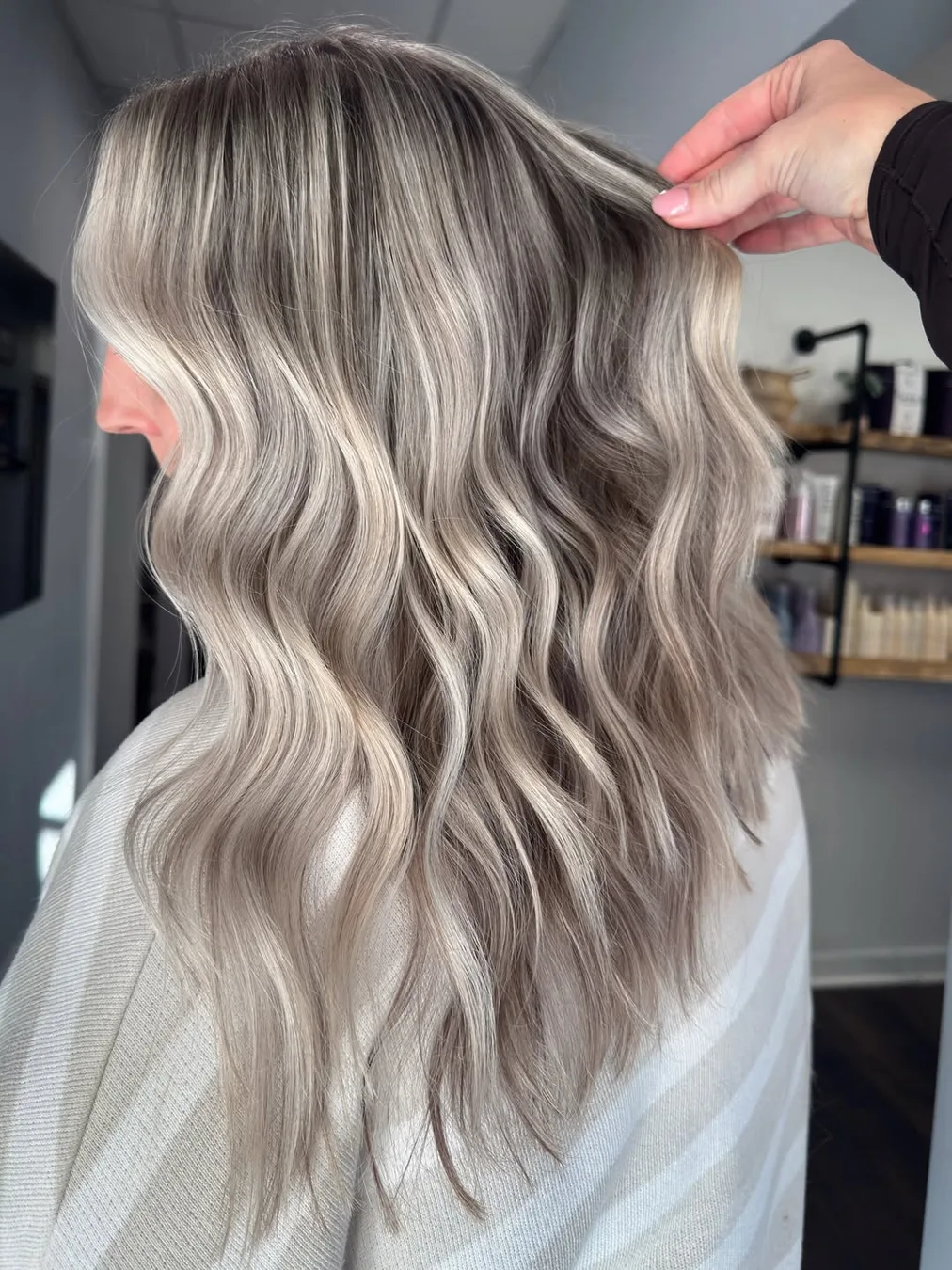
Blondes go winter in one of two directions: icy and bright, or smoky and muted. Icy platinum balayage keeps the lightness you love but swaps golden warmth for a frosty, pearl finish that flatters the paler winter light.
Mushroom blonde is the softer option, a blend of ash brown and blonde that looks expensive and grows out gently. Both pair beautifully with the cozy textures in our winter hairstyles roundup.
Icy Platinum Winter Blonde
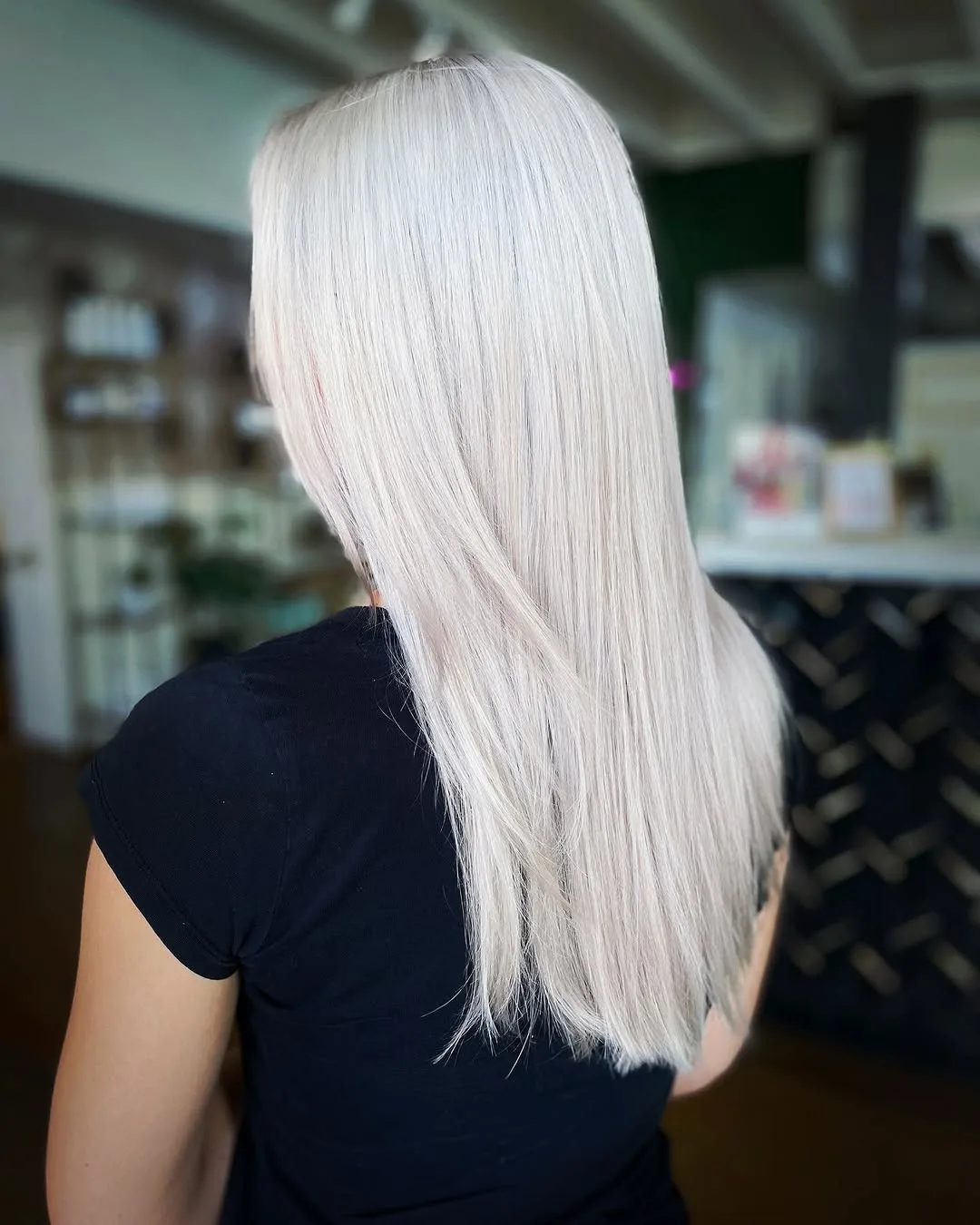
Icy platinum is winter's brightest blonde: pale, frosty pieces lifted almost white and finished with a pearl toner. Add a bright money piece at the front and the whole face lights up against dark winter coats. It suits cool skin tones best and needs commitment, since platinum shows warmth fast. A purple shampoo weekly and a toner every 4 to 6 weeks keep it frosty.
Mushroom Blonde Balayage
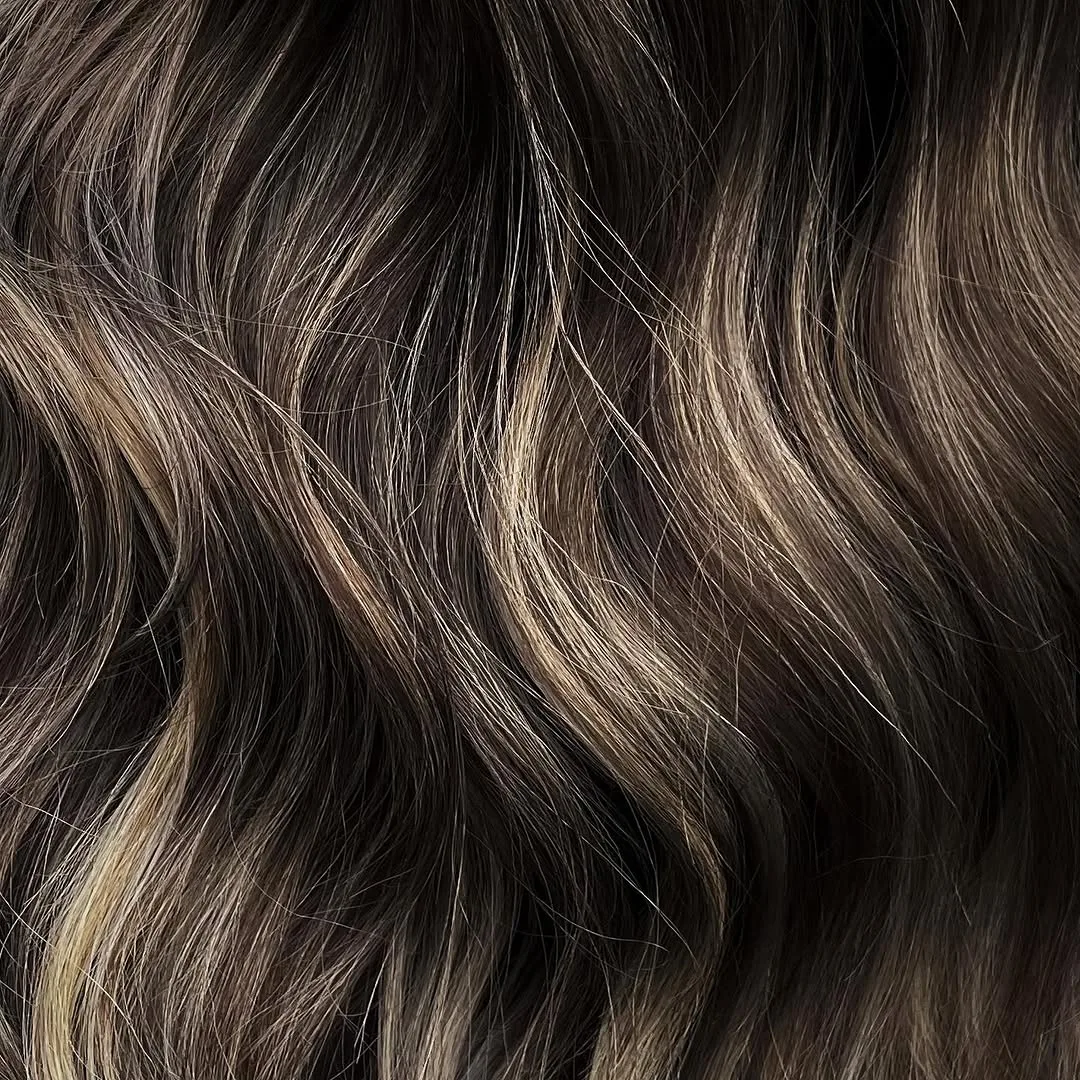
Mushroom blonde blends ash brown and blonde into a smoky, muted tone that looks expensive and grows out gently. It is the softest way for blondes to go darker for winter without a full color change. The low contrast suits neutral and cool skin and hides regrowth for weeks. Refresh the ashy gloss every 6 to 8 weeks so it does not drift warm.
Smokey Ash Balayage
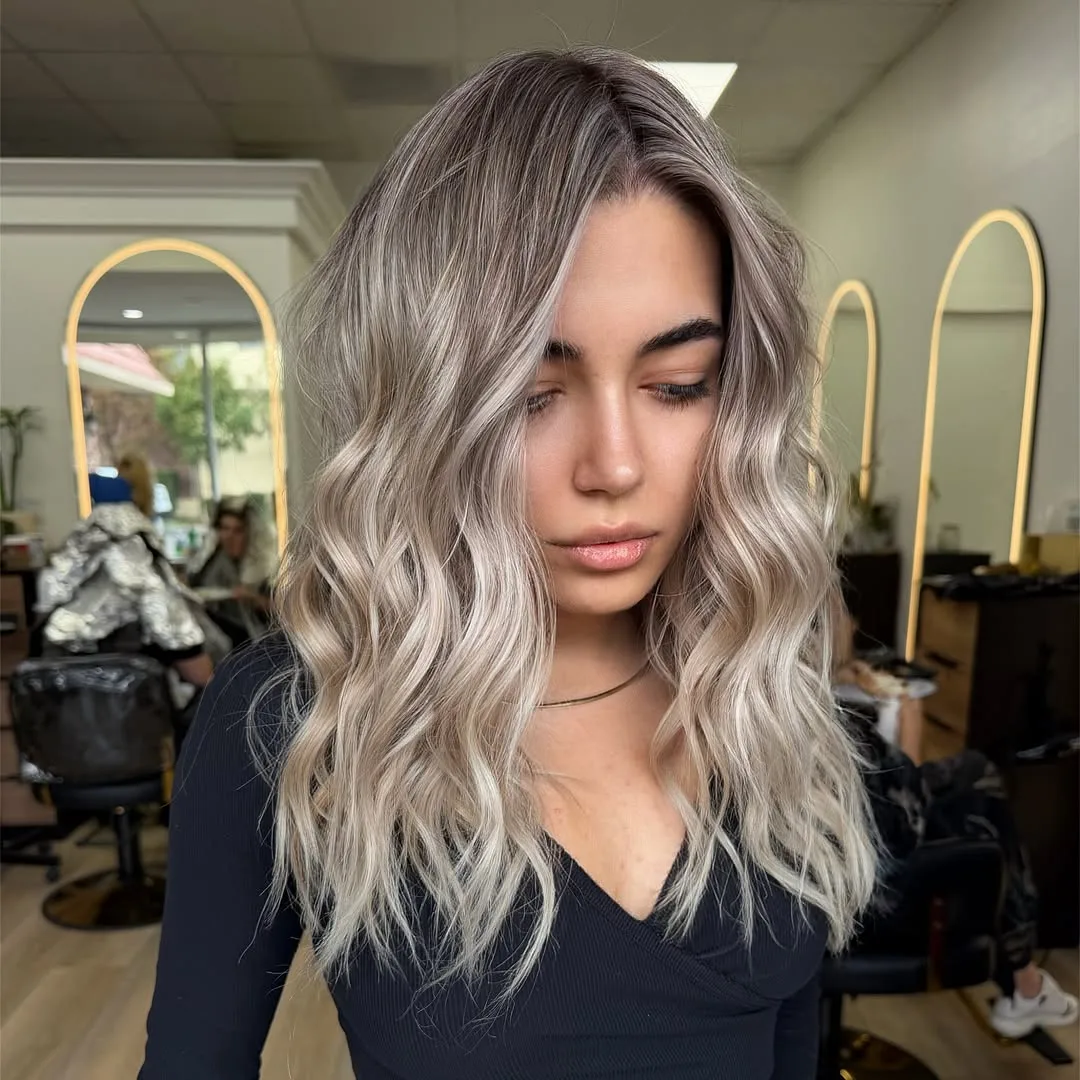
Smokey ash takes blonde properly grey toned: muted, dusty lengths melted from a deeper shadow root. It flatters cool skin and pairs well with the stronger brows and berry makeup of winter. The smoke lives in the toner, so your colorist can deepen or soften it at each gloss visit. Use a blue toning shampoo if your natural base is dark.
Champagne Beige Blonde
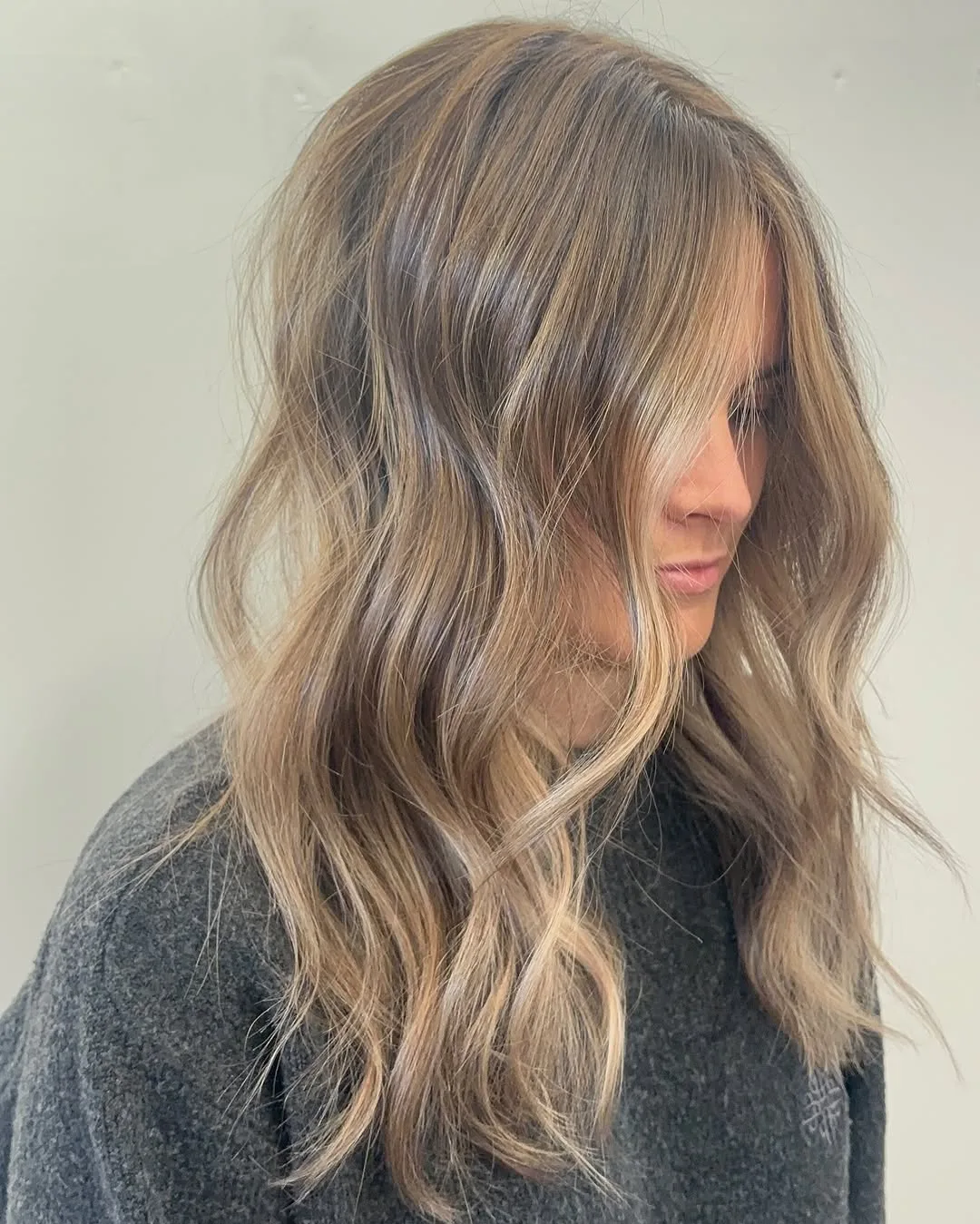
Champagne beige is the blonde for women who fear ash: a creamy, lightly golden beige that reads cool in daylight but never grey. It warms up pale winter skin instead of washing it out. Because the tone is neutral, fading is graceful and grow out is soft. A beige gloss every 6 to 8 weeks keeps the champagne sparkle.
Vanilla Ash Balayage
Vanilla ash keeps blonde bright while cooling it down: pale vanilla lengths with an ash finish instead of gold. It suits cool and neutral skin that wants lightness without warmth. The brightness sits through the mid lengths and ends, so roots stay low maintenance through the busy season. Purple shampoo every second wash stops the vanilla turning yellow.
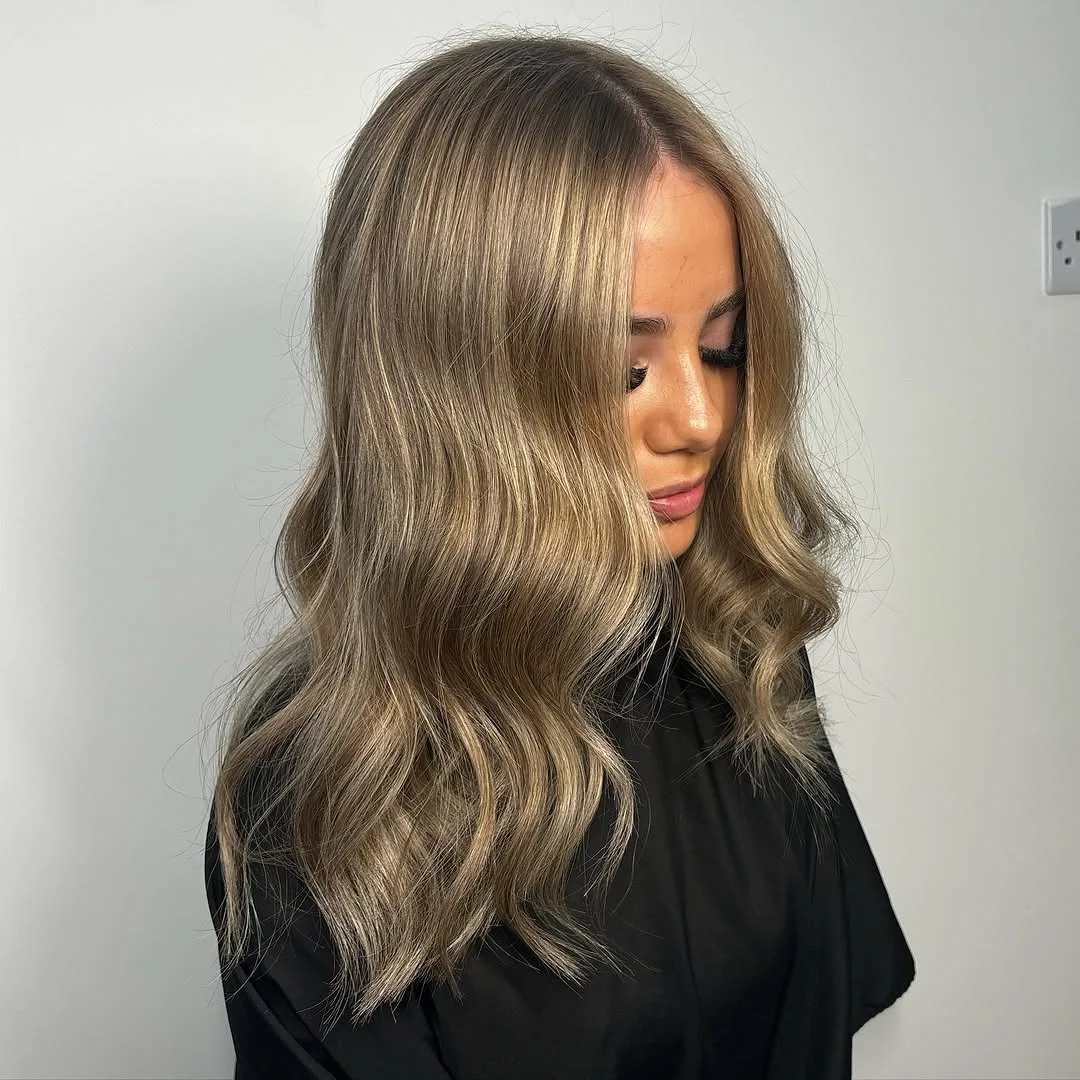
Silver Blonde Balayage
Silver blonde balayage blends icy silver pieces into natural grey or light blonde hair, making grey grow out look deliberate and chic. It is a beautiful option for women embracing their grey rather than covering it. The metallic tone needs a violet toner to stay silver instead of dull. Plan a gloss every 4 to 6 weeks and plenty of moisture, since silver hair is usually drier.
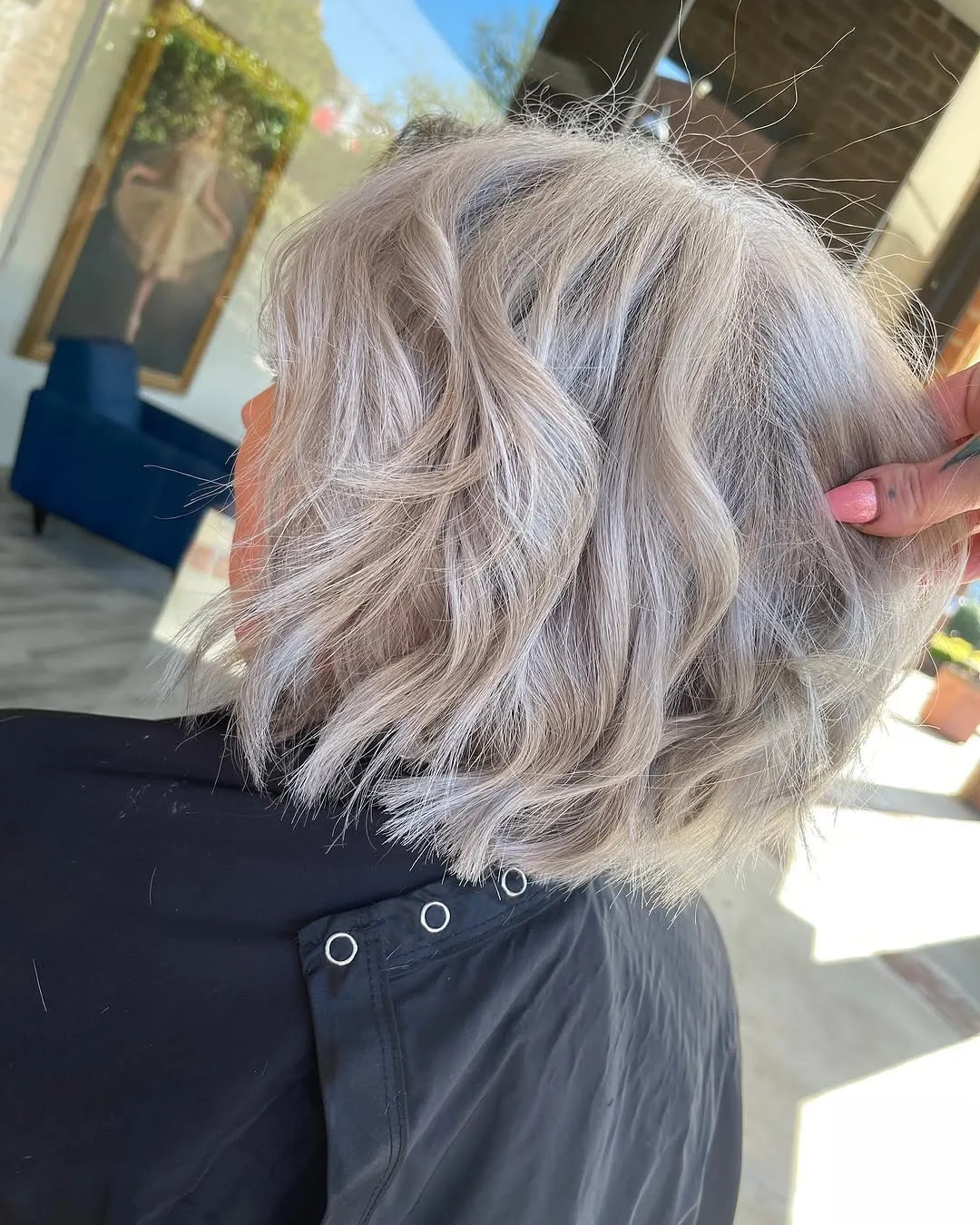
Frosted Pearl Blonde
Frosted pearl blonde finishes pale balayage with an iridescent pearl gloss, so the hair shifts between silver, blush, and cream as it moves. It is softer than platinum and kinder to skin that finds pure ice too harsh. The pearl effect lives entirely in the gloss, which makes it easy to try for one season. Refresh the gloss every 5 to 6 weeks to keep the sheen.
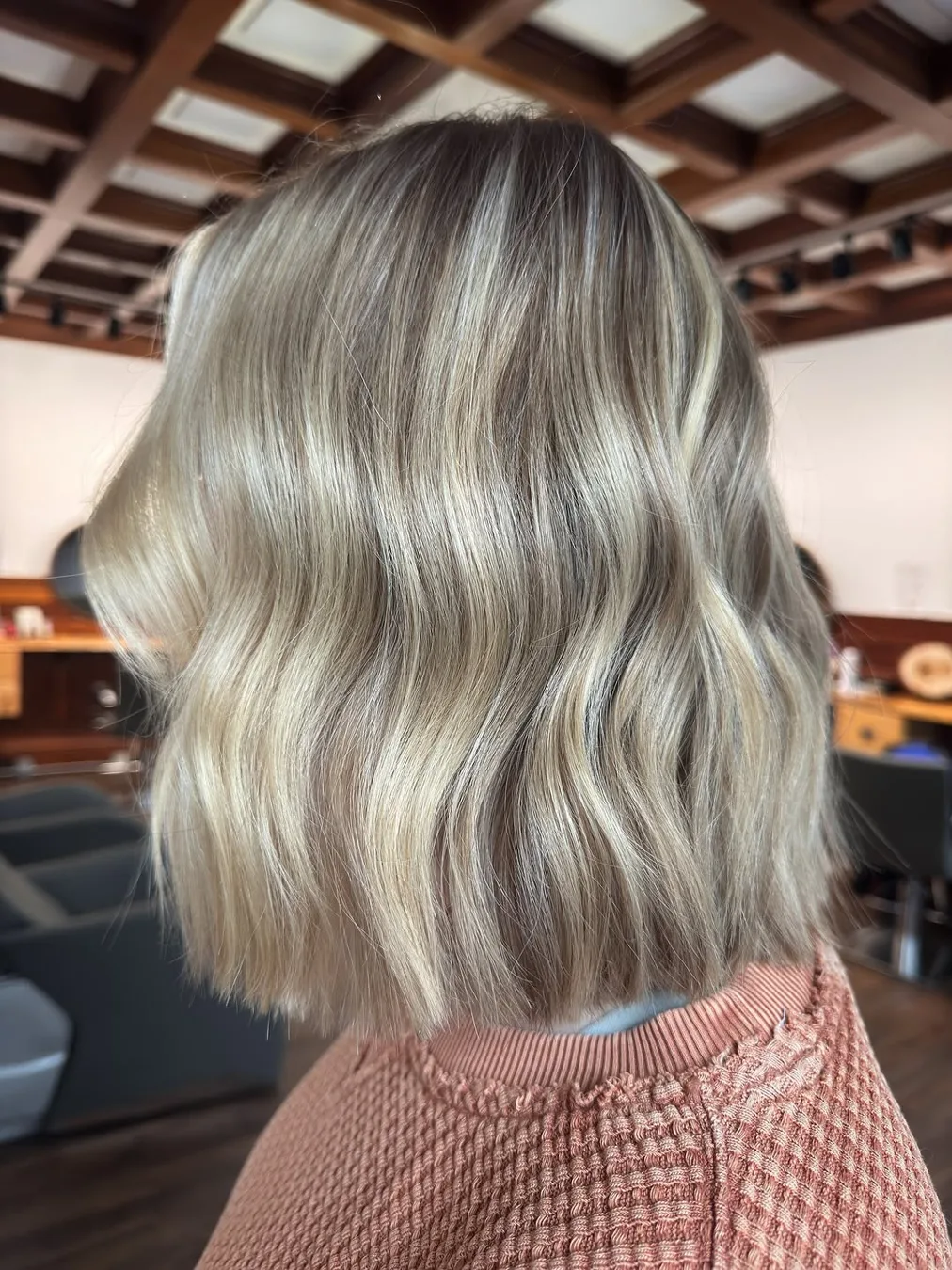
Winter Balayage for Brunettes
Brunettes get the richest winter options: espresso, chocolate, and mocha tones painted through a deep base for glossy dimension. The result looks like your natural color on its very best day, only shinier.
Ask your colorist for a root melt in rich espresso and ribbons of dark chocolate or chestnut through the mid lengths. Brunette balayage is also the lowest maintenance winter color, since the tones fade slowly and the grow out is nearly invisible.
Rich Espresso Balayage
Rich espresso balayage paints deep coffee tones through a dark base and finishes with a high shine gloss. From a distance it reads as one luxurious color; up close, the ribbons give it movement. It suits every skin tone and is the lowest maintenance shade in this guide. Most women refresh it only every 10 to 12 weeks.
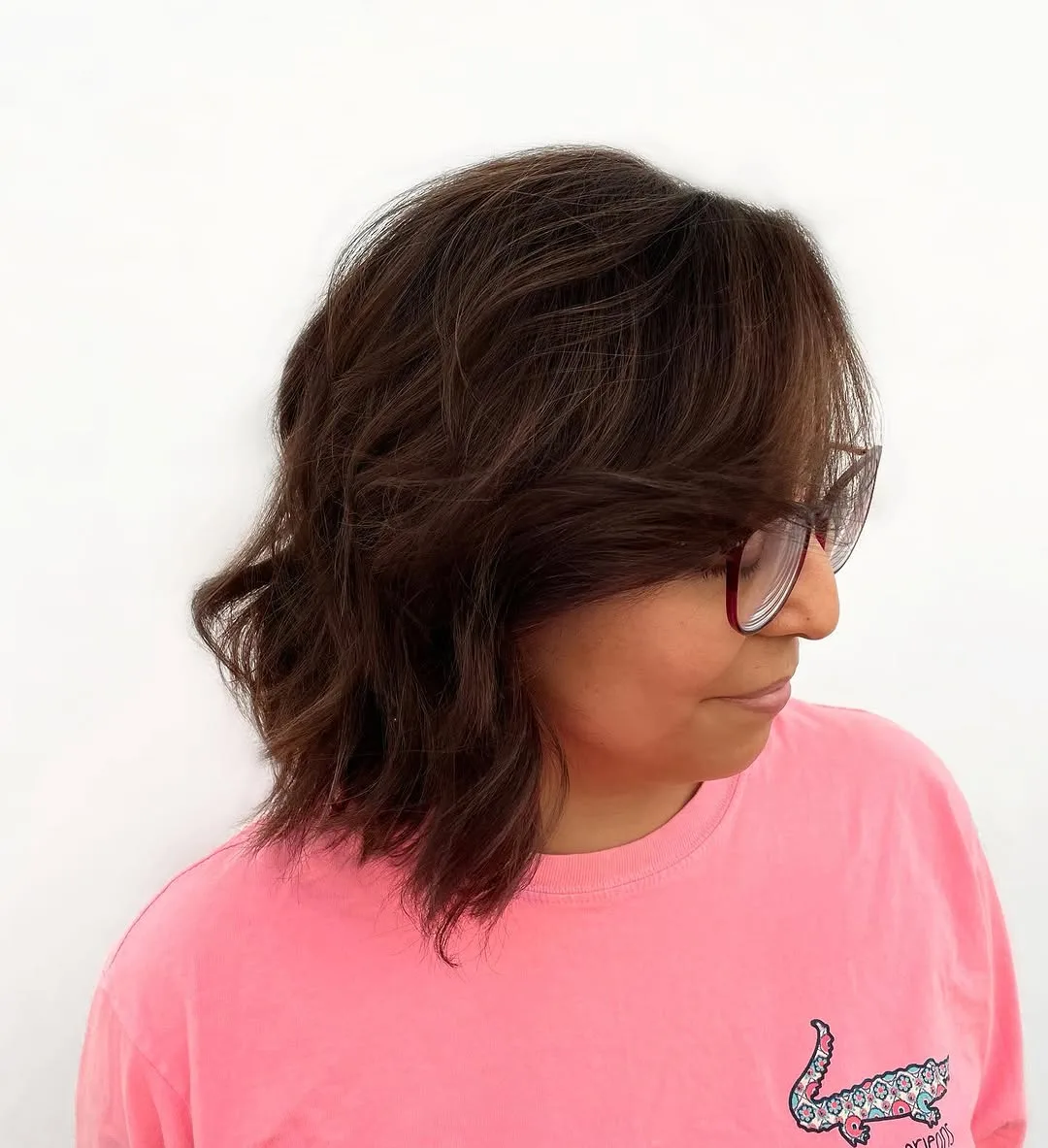
Dark Chocolate Balayage
Dark chocolate balayage threads slightly lighter chocolate and chestnut ribbons through a deep brown base. The contrast is gentle, so it adds life to flat brunette hair without looking highlighted. Warm and neutral skin tones wear it beautifully, especially with winter's richer makeup. A shine gloss every 8 weeks keeps the chocolate looking freshly poured.
Mocha Balayage
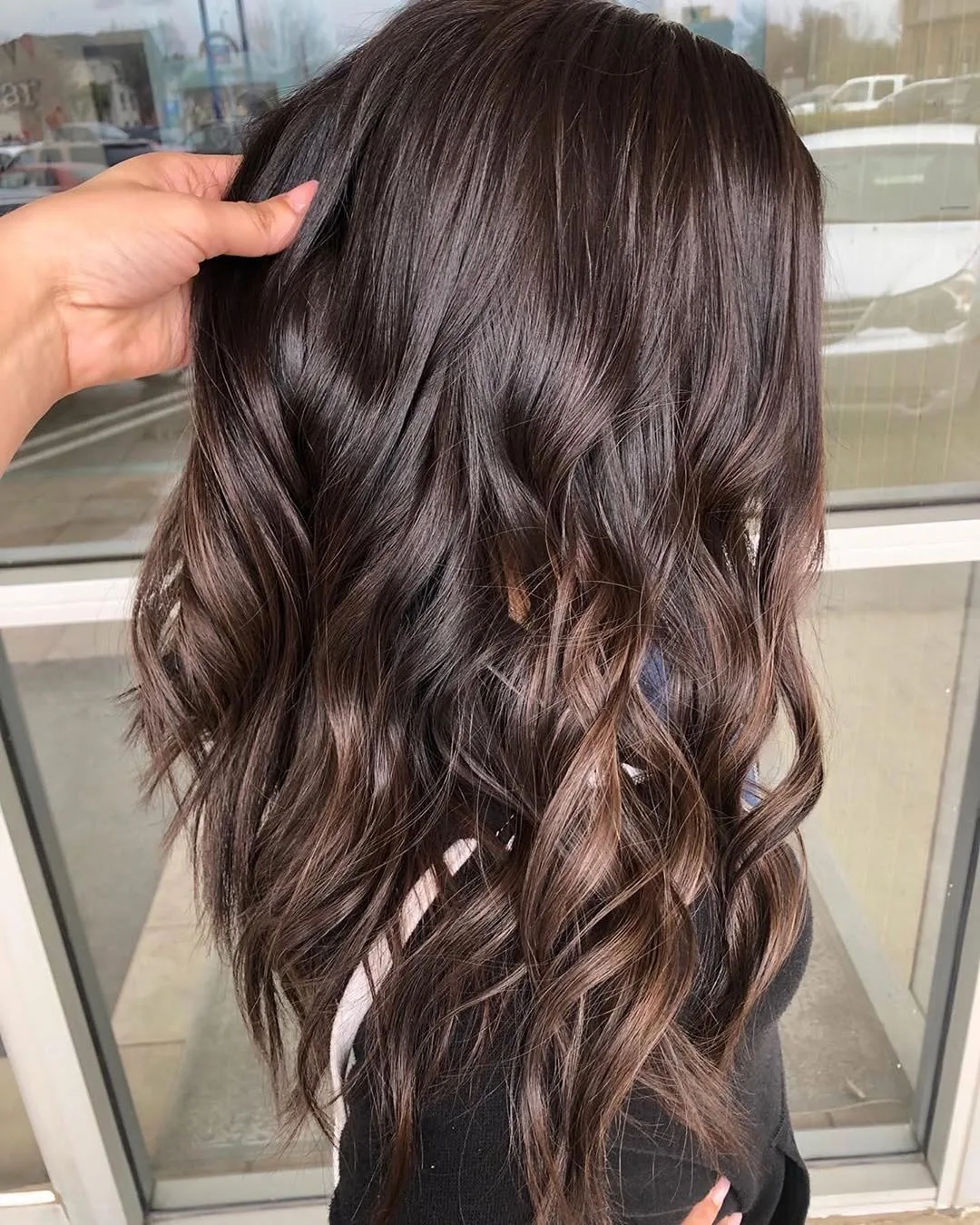
Mocha balayage is the neutral brunette: coffee brown pieces with neither strong gold nor strong ash. It flatters women whose skin sits between warm and cool, because the color does too. Mocha fades slowly and evenly, which makes it a smart pick for a low visit winter. Book a gloss every 8 to 10 weeks to keep the tone balanced.
Chocolate Cherry Balayage
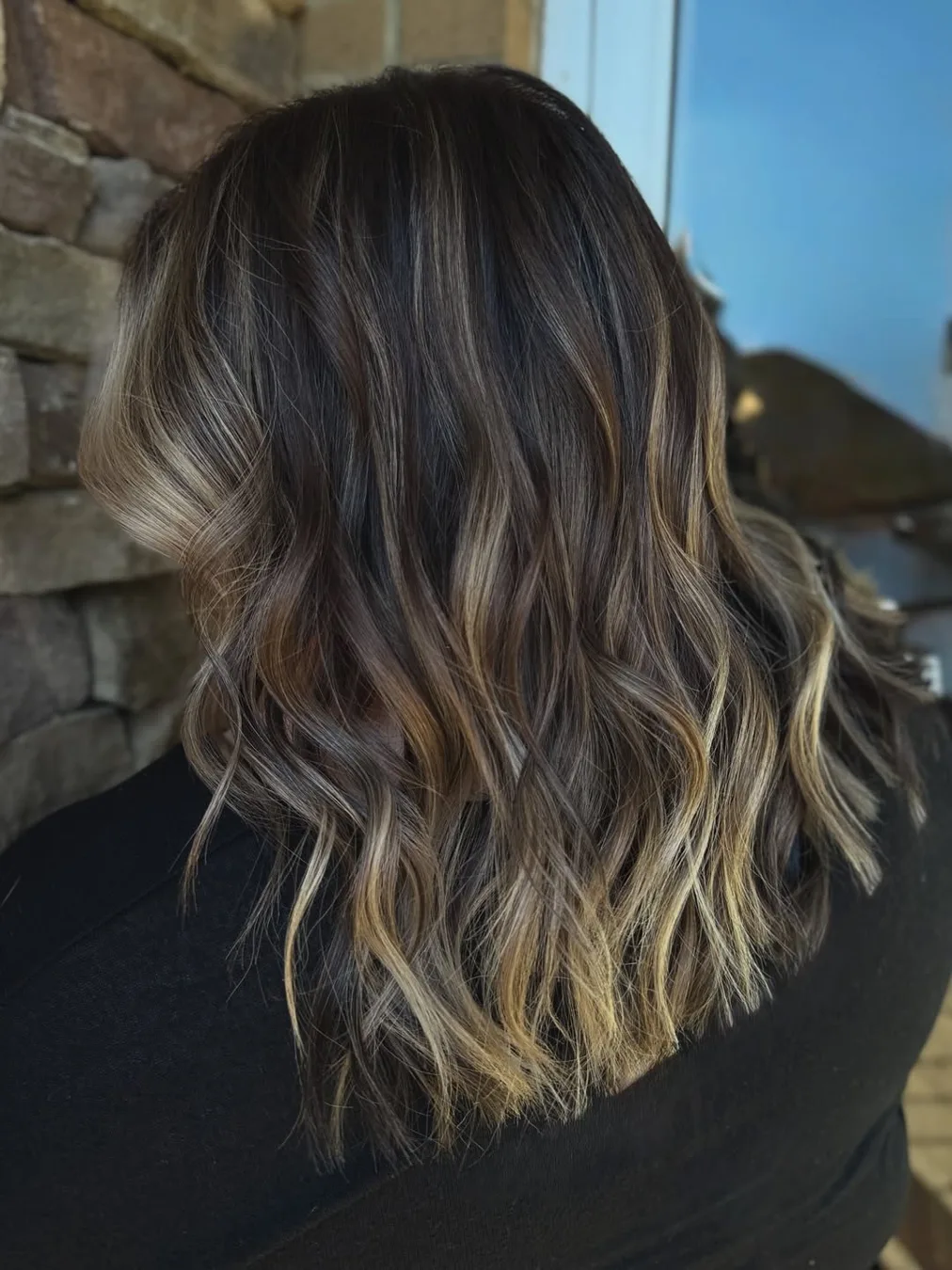
Chocolate cherry blends deep brown with a whisper of red violet, so the hair flashes cherry only in bright light. It is a lovely winter shade for brunettes who want something different without going red outright. Cool and deep skin tones carry it best. Cherry tones fade faster than plain brown, so a gloss every 5 to 6 weeks keeps the flash alive.
Burgundy Wine Balayage
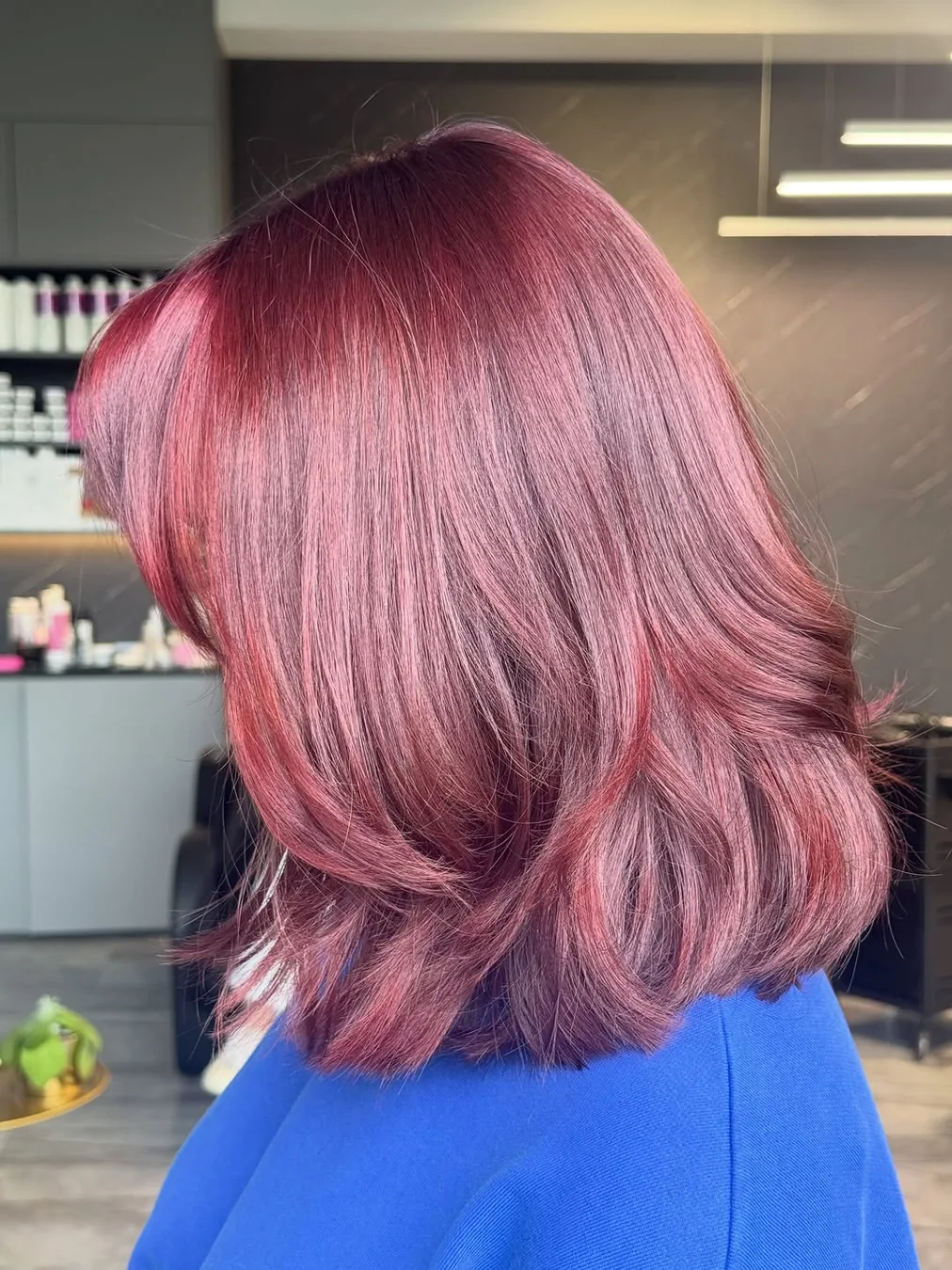
Burgundy wine balayage pours deep wine and plum tones through a dark brown or black base for a rich, wintry glow. It looks almost brunette indoors and turns properly wine colored in daylight. The shade flatters cool, olive, and deep skin and pairs beautifully with holiday dressing. Wash cool and refresh the wine gloss every 5 to 6 weeks.
Reverse Balayage and Winter Lowlights
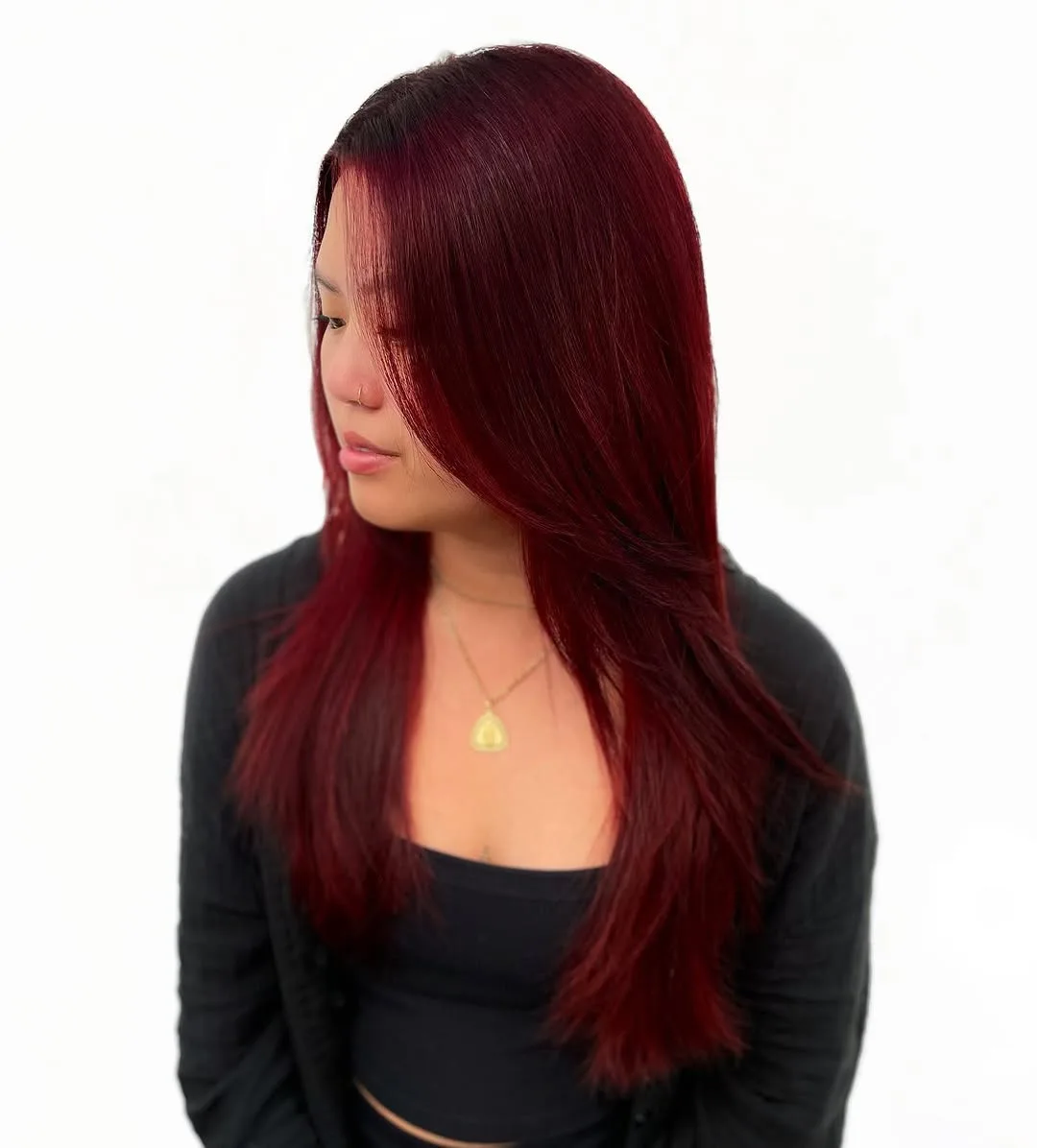
Reverse balayage does the opposite of lightening: your colorist paints darker lowlights through hair that got too bright over summer. It restores depth at the root and through the mid lengths while keeping some lighter pieces for dimension. This is the fastest route from beachy blonde to a winter shade, often in one appointment with no lightener at all. Because lowlights can fade, a gloss every 6 weeks keeps the depth rich.
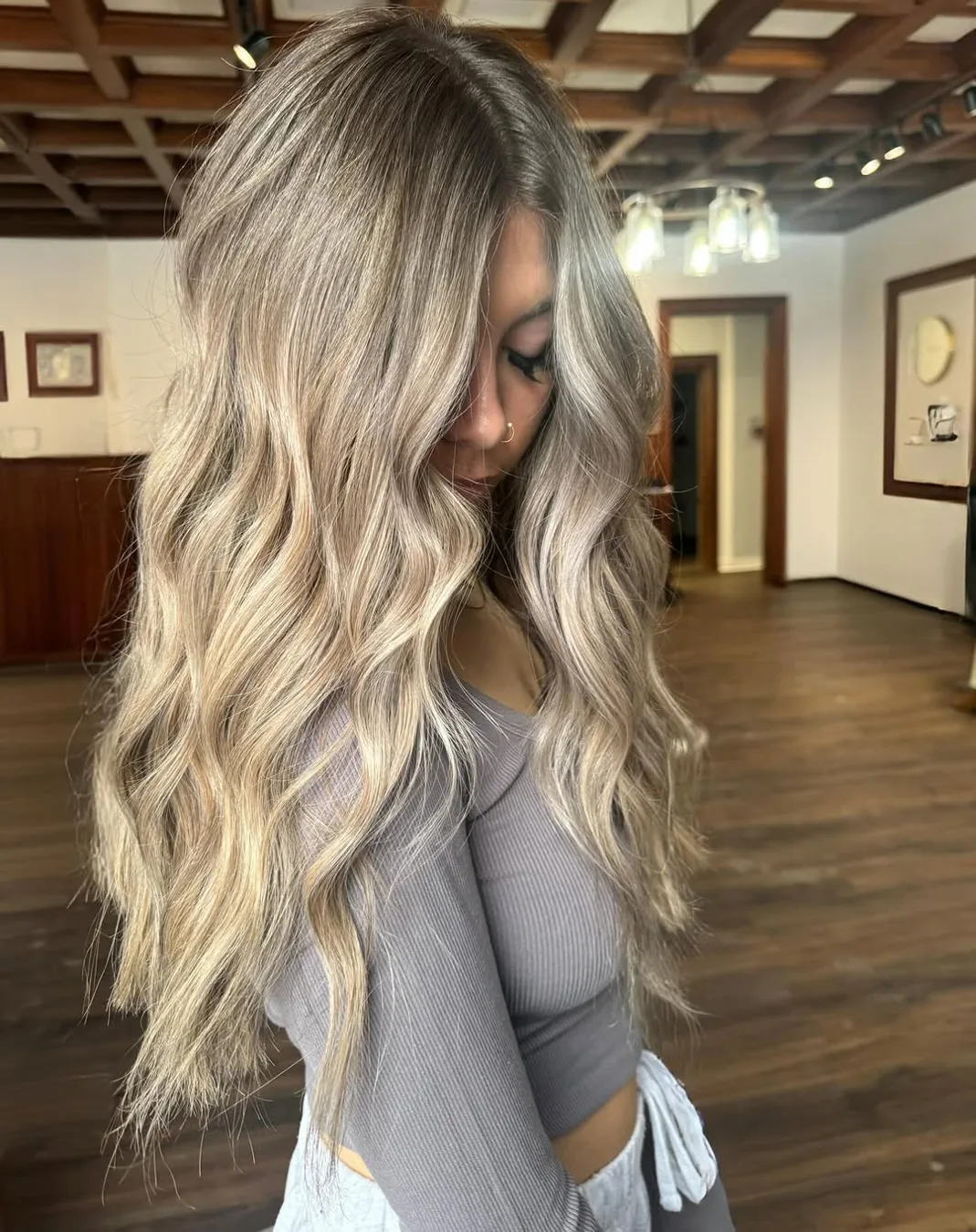
Almost Black Smoky Brown Balayage
Almost black balayage keeps a near black base and lifts only the ends to a smoky, muted brown. The contrast is moody and modern, and it makes fine hair look thicker at the ends. It suits cool and deep skin tones and grows out almost invisibly. A blue toning shampoo keeps the smoky ends from turning orange.
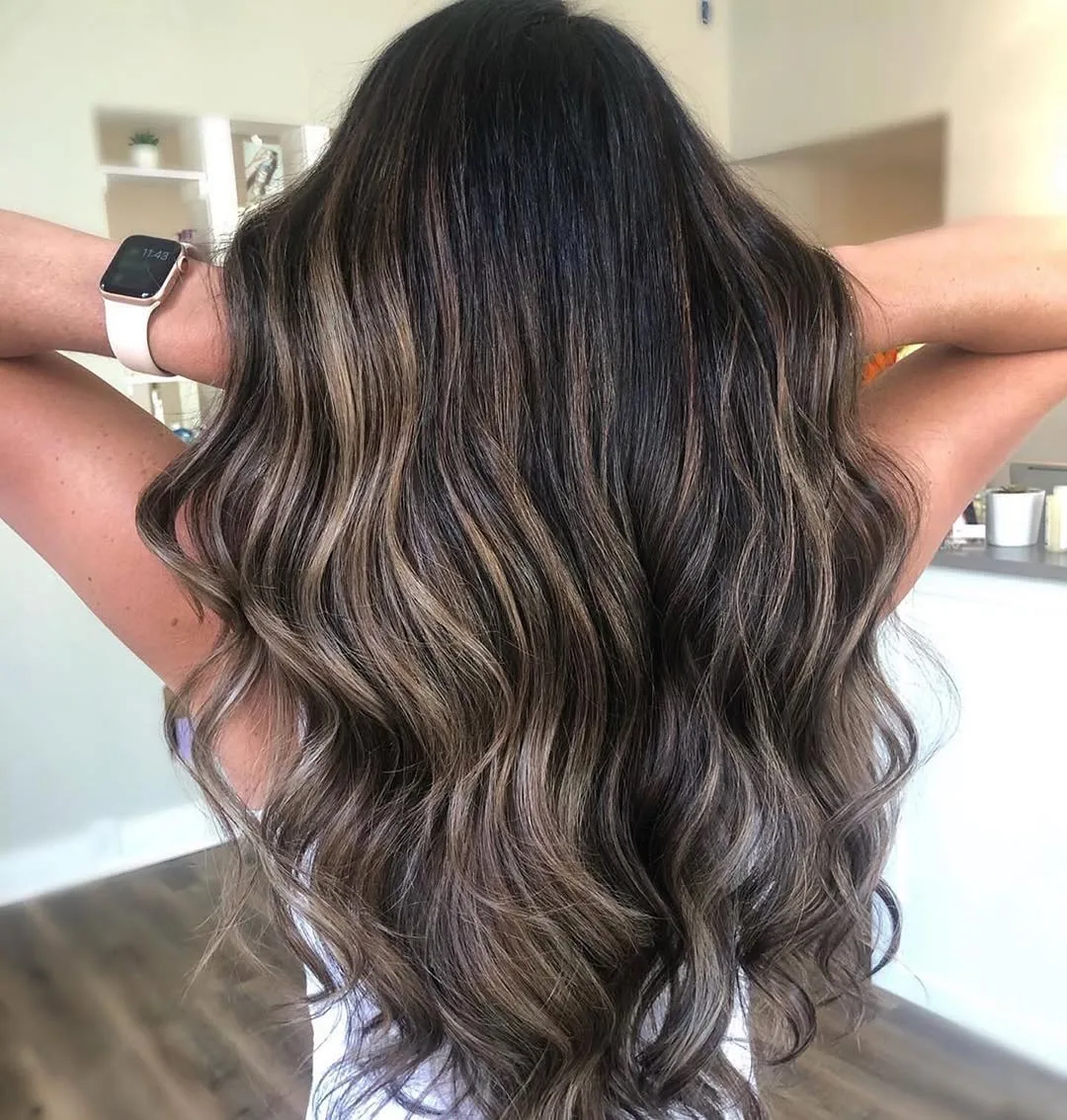
Caramel Face Frame on Espresso
This version keeps a rich espresso base all over and paints only the front sections in warm caramel. The effect is a lit frame around the face with almost no upkeep behind it. It suits warm and olive skin and is perfect if your ends cannot take more lightener. The face frame can be refreshed alone in under an hour every 8 weeks.
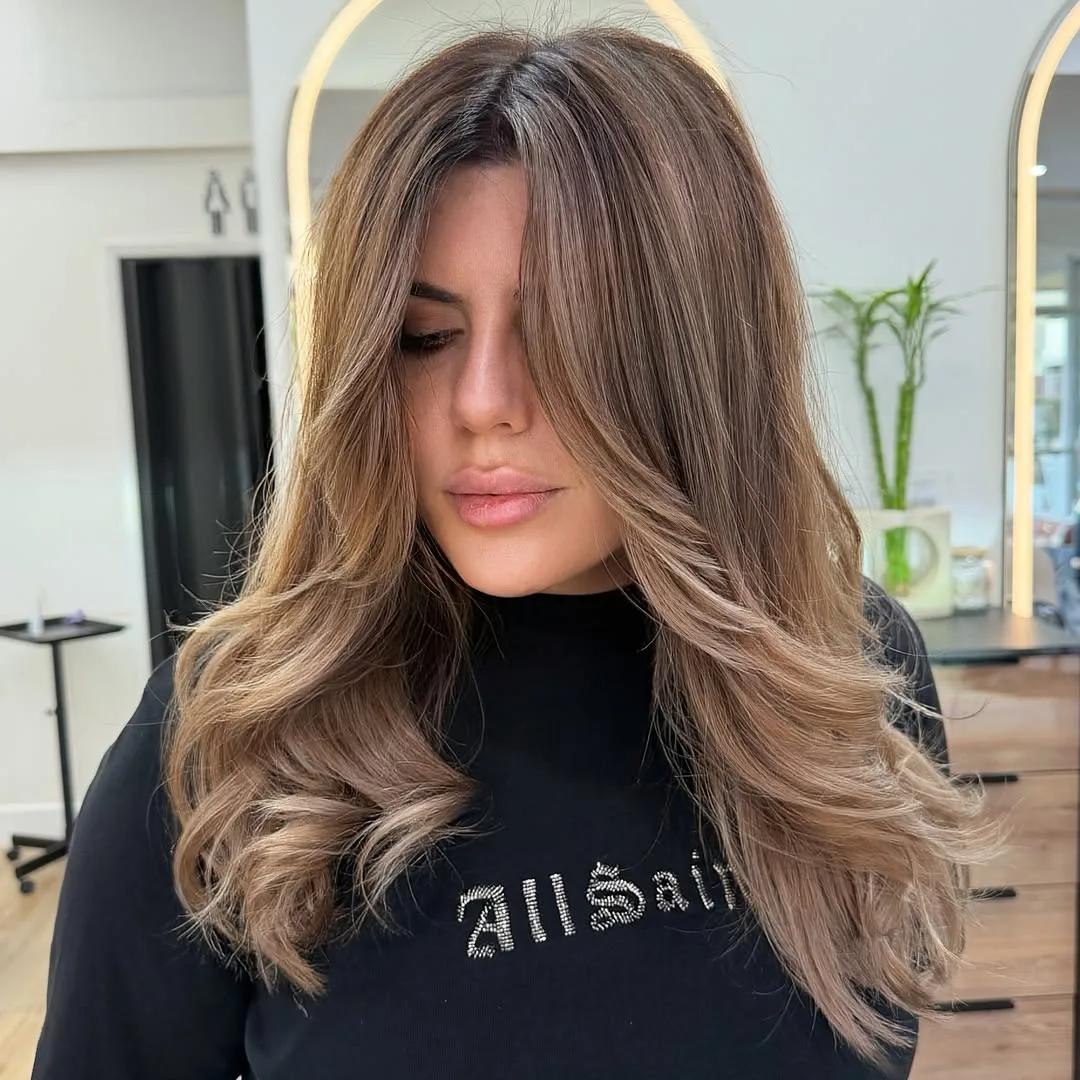
Copper and Warm Winter Balayage
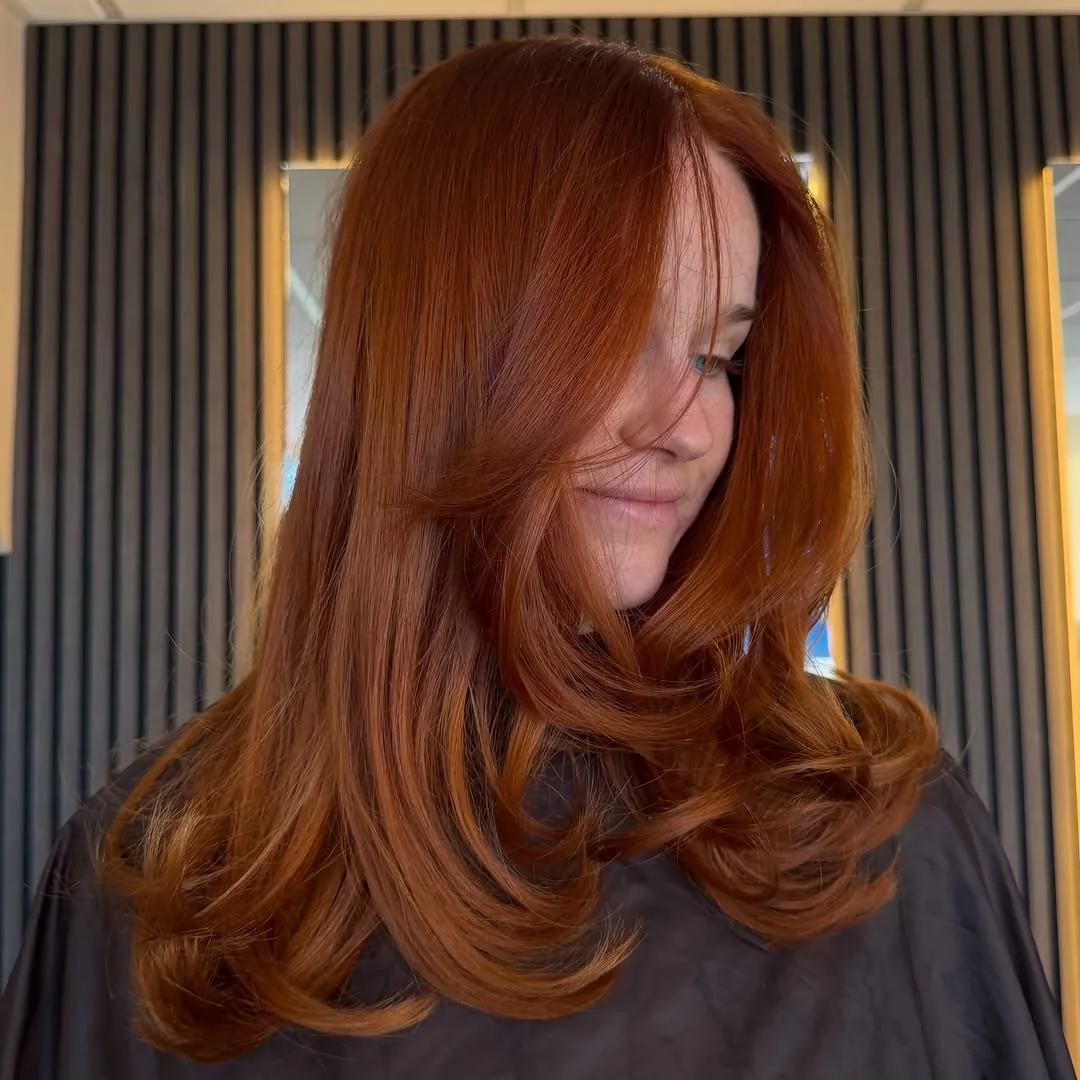
Copper balayage is winter's warm answer to all that cool tone talk, and it is one of the season's biggest color stories. Cinnamon, amber, and chestnut pieces painted over a brunette or auburn base glow against winter skin and knitwear.
Copper fades faster than brown or blonde tones, so plan on a gloss refresh every 4 to 6 weeks to keep it vivid. A color depositing conditioner at home stretches the time between salon visits.
Copper Balayage with Cinnamon Ends
Copper balayage over a brunette base, finished with brighter cinnamon ends, is the warm shade that defines this winter. The gradient from deep root to glowing ends looks like candlelight in hair form. Warm and golden skin tones wear it best, and green eyes stand out against it. Copper fades fastest of all, so plan a gloss every 4 to 6 weeks.
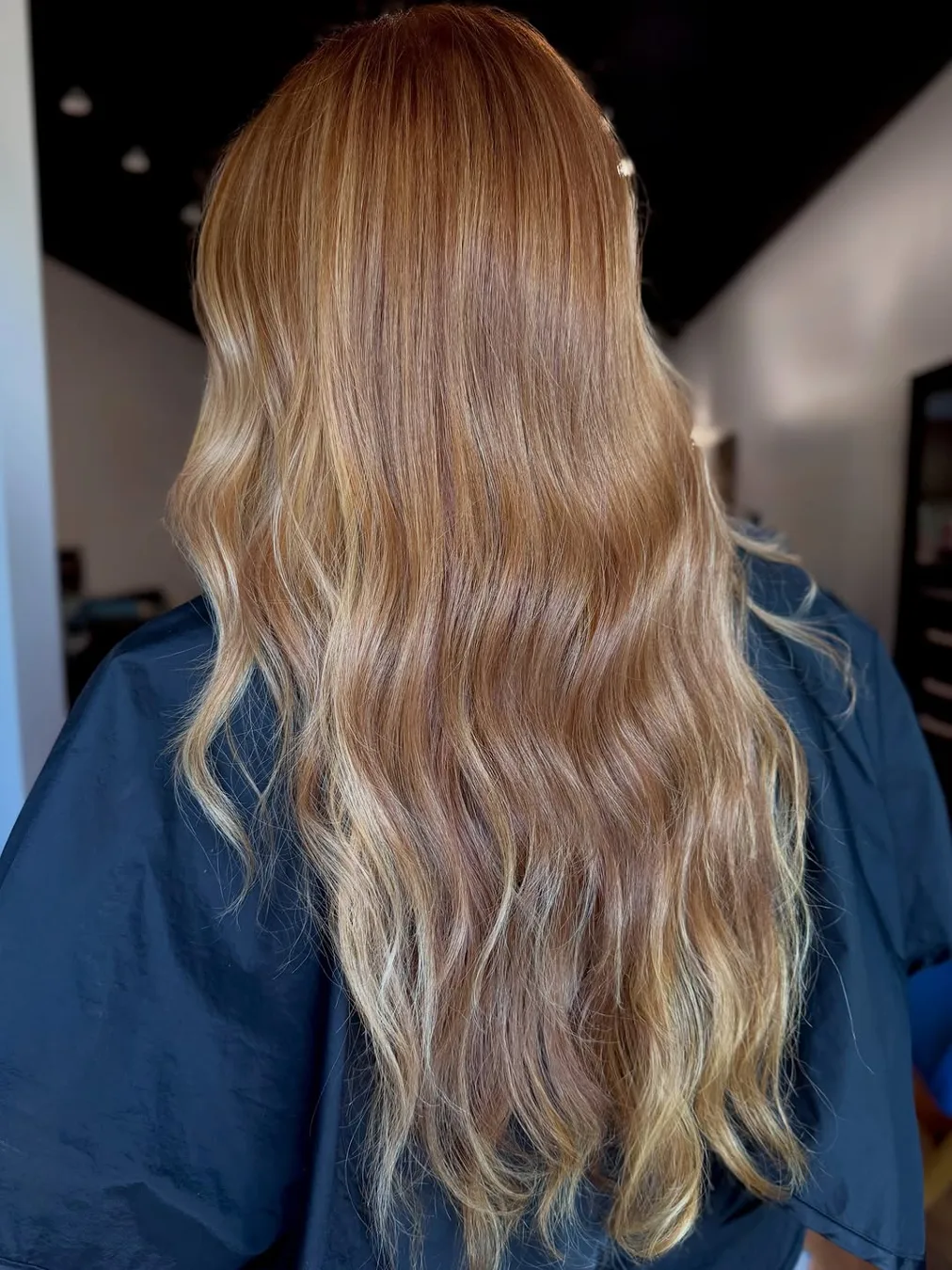
Chestnut Balayage
Chestnut balayage adds warm, reddish brown ribbons to a brunette base for a subtle and natural glow. It is the easiest warm shade to wear to work, since it reads as polished brown in most light. Neutral and warm skin tones both suit it, and it makes dull brown hair look freshly done. Refresh with a warm gloss every 8 weeks.
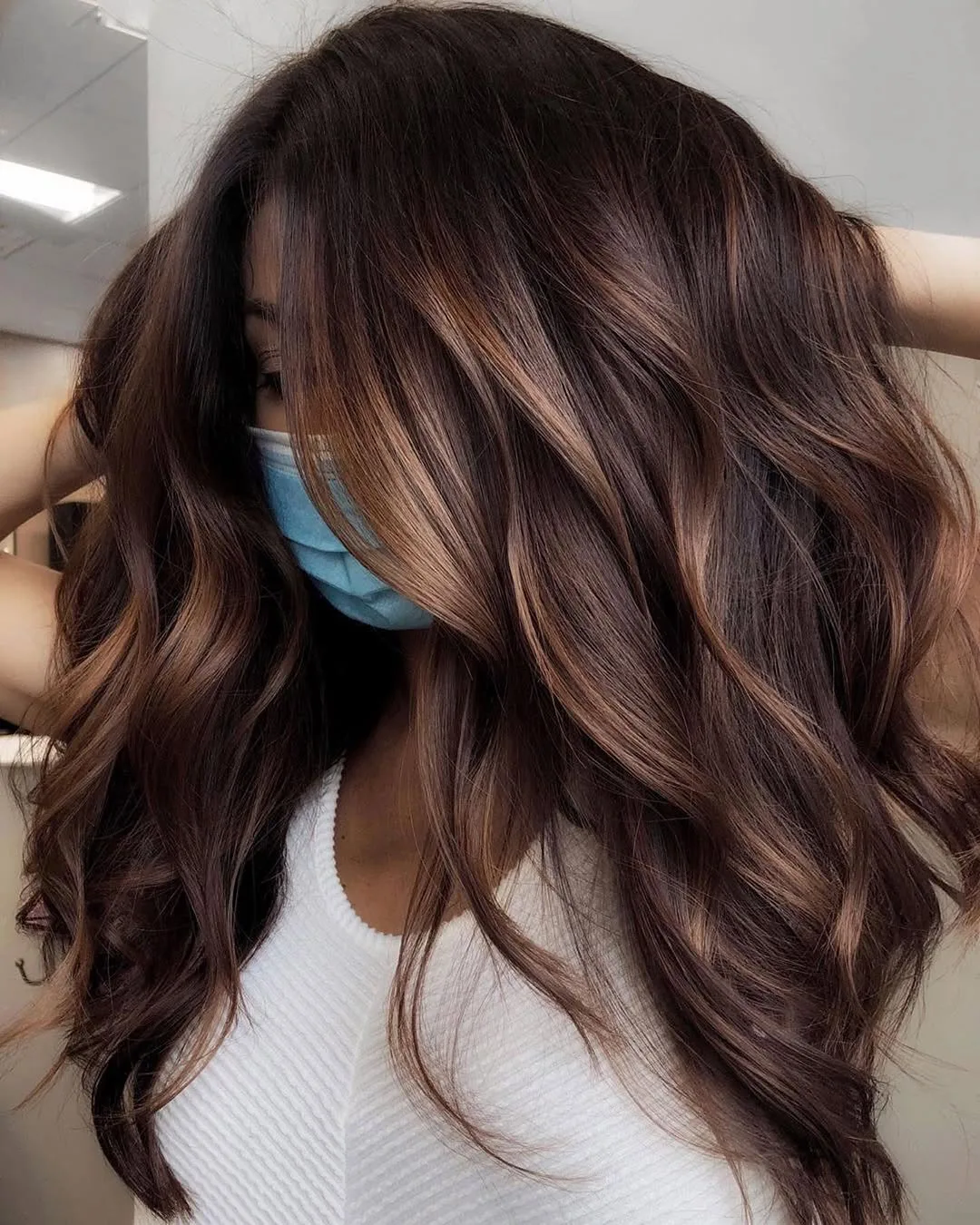
Amber Balayage
Amber balayage sits between gold and copper: honeyed amber pieces with brighter copper painted around the face. It brings warmth to winter skin that has lost its summer color, without a full red commitment. The face framing placement means regrowth stays soft everywhere else. A color depositing conditioner in copper keeps amber glowing between glosses.
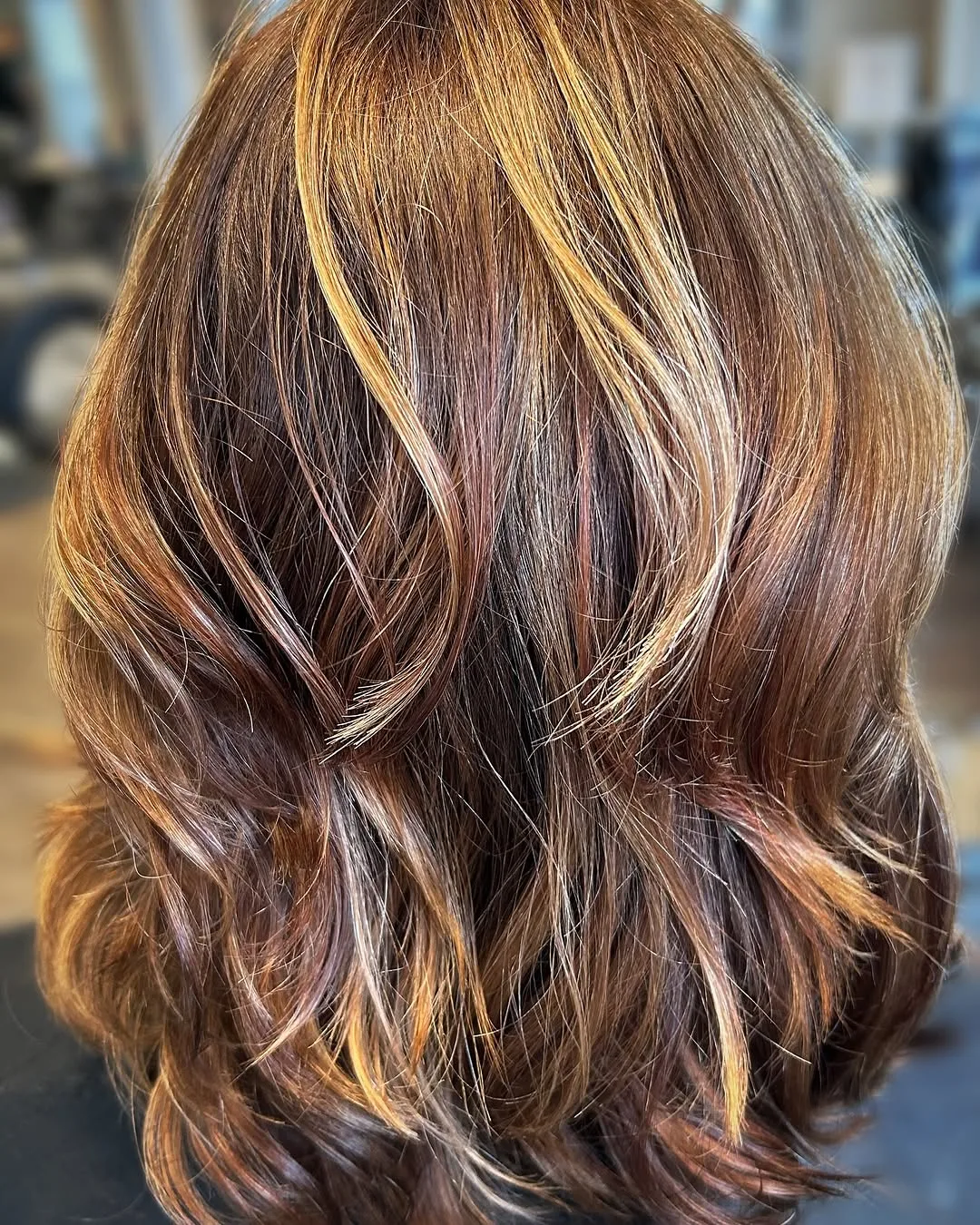
Auburn Balayage with a Mahogany Root
Auburn balayage blended from a deep mahogany root gives redheads and brunettes a rich, fireside color that still grows out softly. The dark root keeps it low maintenance while the auburn lengths do the talking. It flatters warm and neutral skin and looks especially good in winter's low sunlight. Book a red gloss every 5 to 6 weeks to hold the depth.
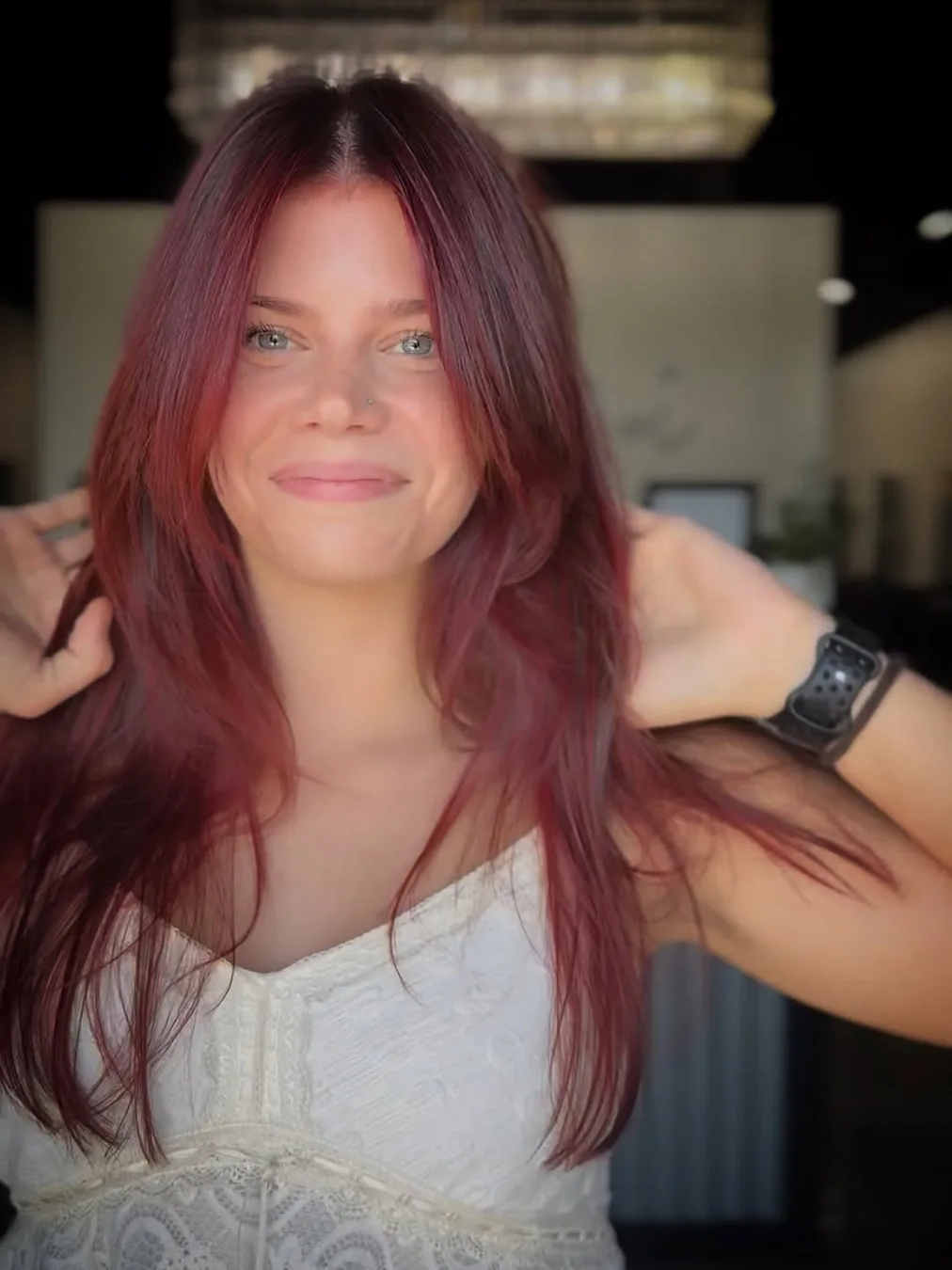
Toffee Balayage
Toffee balayage is the gentle bridge between brunette and copper: deep golden brown pieces with just a hint of warmth at the ends. It suits medium brunettes who want a change they can explain in the office. Because the tones sit close to your base, fading is barely noticeable. Most women refresh toffee only every 8 to 10 weeks.
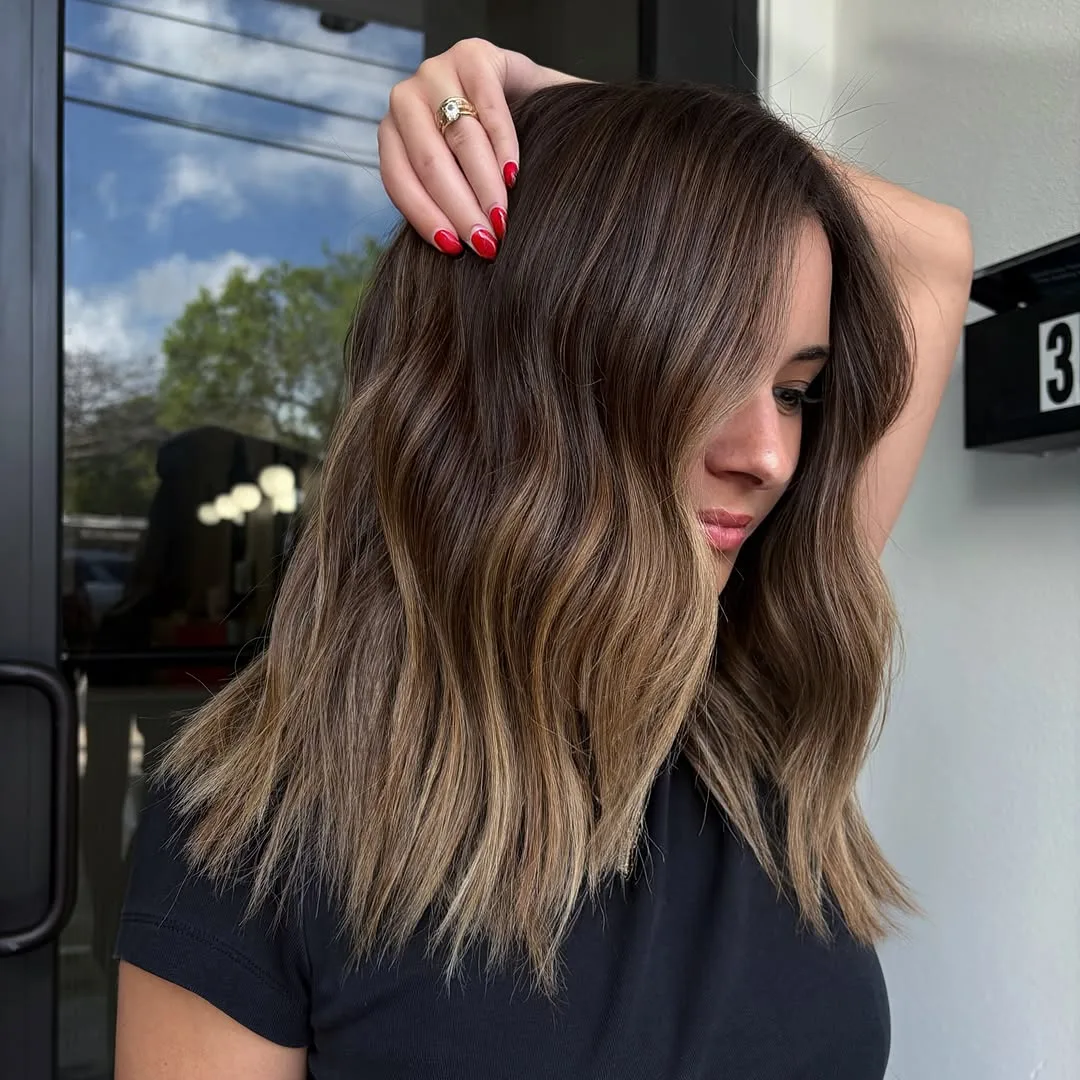
Cinnamon Balayage
Cinnamon balayage spices a brown base with warm, reddish cinnamon ribbons concentrated through the mid lengths and ends. It glows against winter knitwear and warms up olive and golden skin. Cinnamon is a friendly first step toward copper, since it can be deepened or softened at the next gloss. Use a color safe shampoo and cool water to slow the fade.
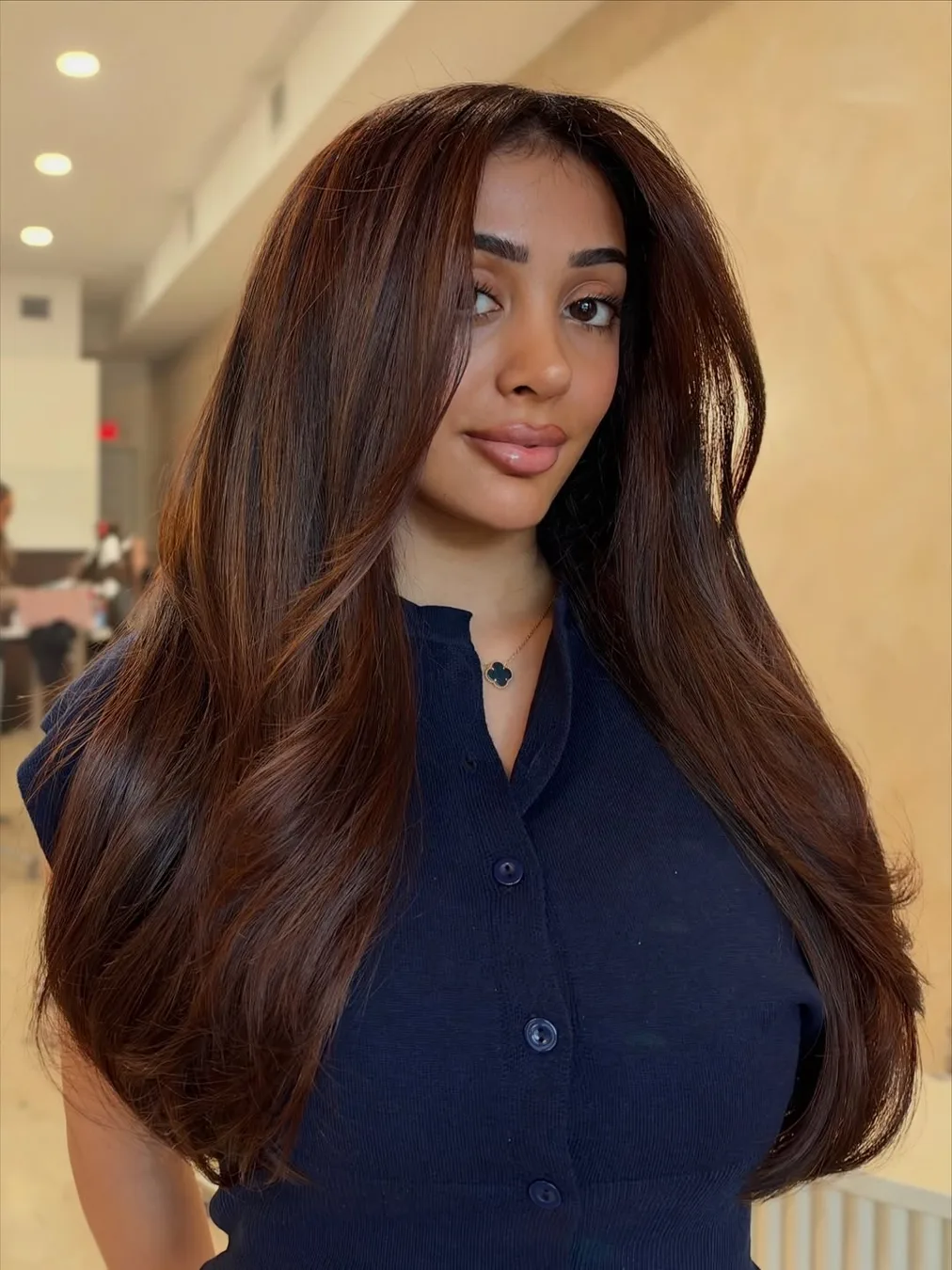
Winter Balayage on Black Hair
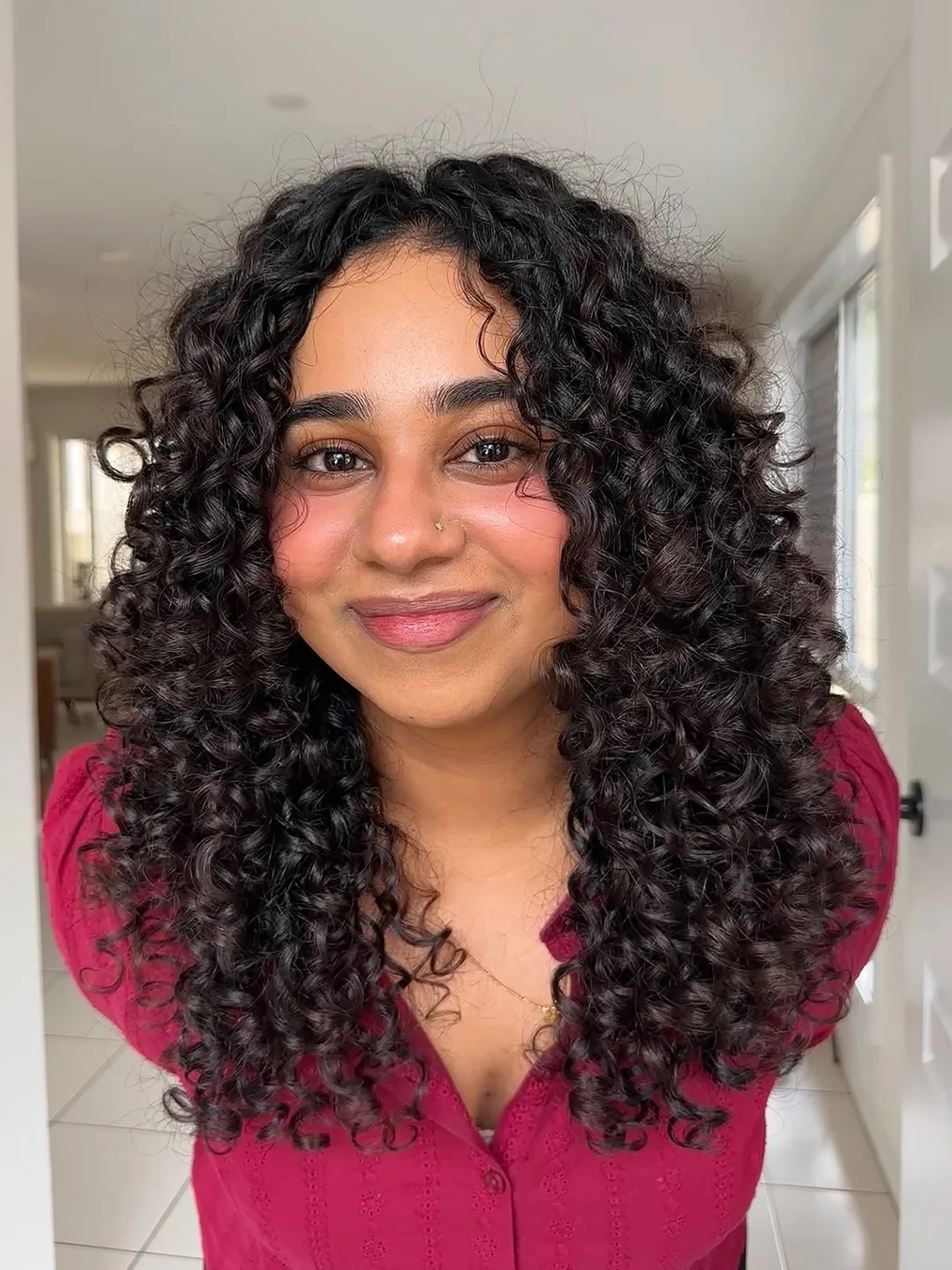
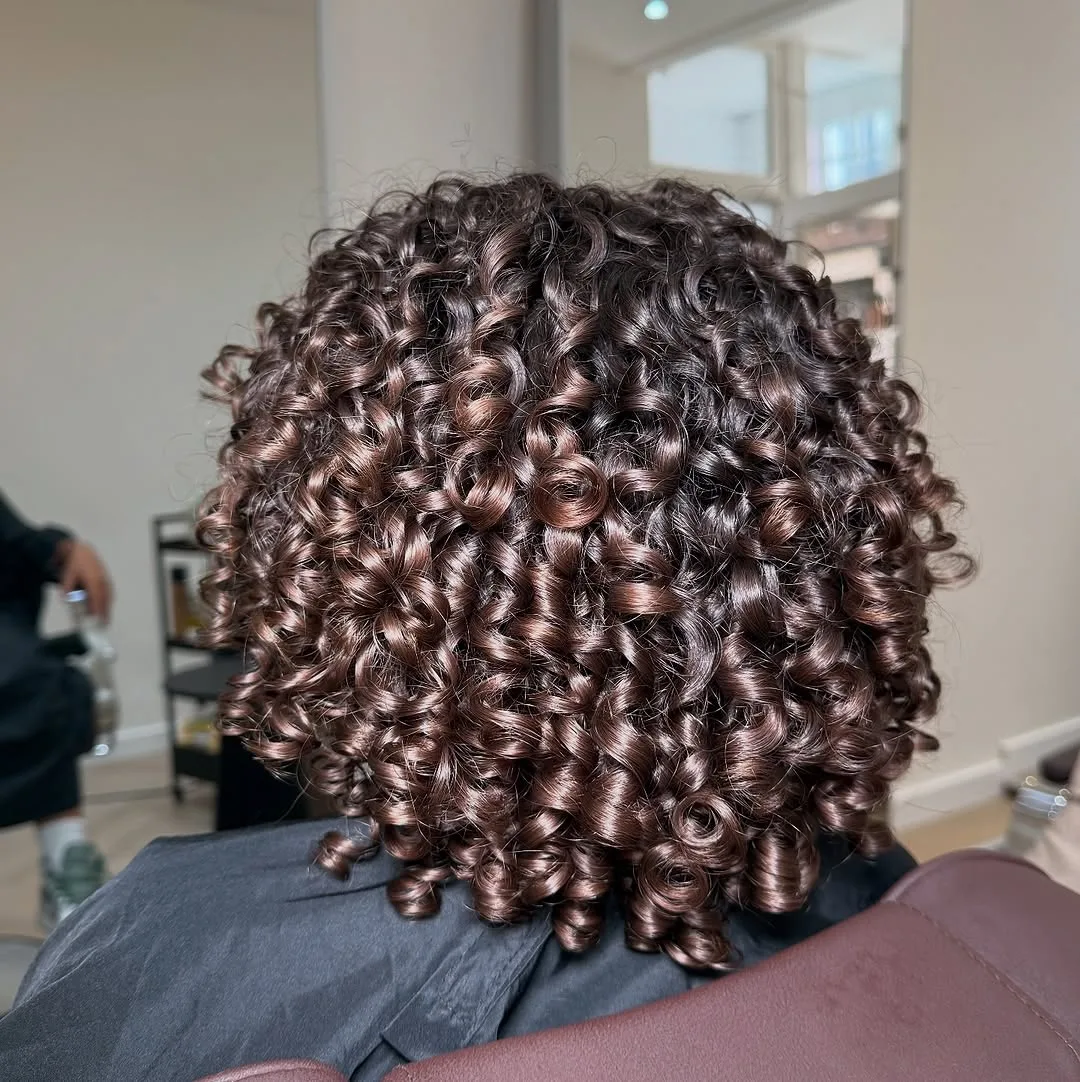
Winter balayage looks stunning on Black hair, from caramel ribbons through natural curls to copper dimension on braids and silk presses. The painted placement follows your curl pattern, so the color shows movement with every turn of your head.
Because lightening textured hair needs care, choose a colorist who works with natural hair often and ask for a bond building treatment during the service. Keep curls moisturized between appointments with the routine in our winter hair care guide, since dry winter air plus lightener is a thirsty combination.
- Caramel balayage on defined natural curls
- Copper balayage on a silk press for warm dimension
- Honey blonde balayage on coils and twist outs
- Chestnut balayage woven through protective styles
- Espresso gloss balayage for subtle shine on dark hair
Step by Step: What Happens at a Winter Balayage Appointment
Knowing the process helps you book the right amount of time and ask the right questions. A full winter balayage appointment usually runs 2 to 4 hours and follows these steps.
- Consultation: you and your colorist agree on the winter tone, placement, and how light your hair can safely go. Bring photos.
- Sectioning and painting: the colorist hand paints lightener onto selected sections, often with a root melt planned for the base.
- Processing: the lightener lifts for 20 to 45 minutes while your colorist checks the level regularly.
- Rinse and treatment: hair is rinsed, and a bond building or deep conditioning treatment is applied, which matters even more in dry winter months.
- Toner and gloss: this step creates the winter finish, icy, mushroom, espresso, or copper, and adds shine.
- Blowout and style: your colorist dries and styles your hair so you can see the dimension in motion before you leave.
Winter Balayage Cost and Timing
Balayage costs more than a single process color because it is a hand painted, multi step service. Prices vary by city and salon, but this table reflects typical US salon ranges to help you budget.
| Service | Typical Cost | Time in Chair | Refresh Needed |
|---|---|---|---|
| Partial winter balayage (top and face framing) | $120 to $200 | 1.5 to 2.5 hours | Every 8 to 10 weeks |
| Full winter balayage | $200 to $350 | 2.5 to 4 hours | Every 10 to 12 weeks |
| Full balayage with root melt | $250 to $400 | 3 to 4 hours | Every 10 to 12 weeks |
| Toner or gloss refresh only | $50 to $90 | 30 to 45 minutes | Every 4 to 6 weeks |
| Balayage on natural or curly hair | $220 to $380 | 3 to 4 hours | Every 10 to 12 weeks |
Tipping, treatments, and a haircut, if you add one, are extra. For more ways to stretch your color budget, our hair color hub collects every color guide we publish.
Keeping Winter Balayage Healthy in Dry Months
Lightened hair plus cold air and indoor heating is a dry combination, so winter balayage needs a little extra care. The good news: small habits make a visible difference within two or three washes.
Use a sulfate free shampoo, wash less often, and add a deep conditioning mask once a week. A satin lined hat or a silk scarf under your wool beanie also protects lightened ends from the friction that winter outfits cause every single day. Purple shampoo keeps icy and mushroom blondes from going brassy, while copper shades prefer a color depositing conditioner instead. A satin lined hat protects both your color and your ends from friction and static.
- Deep condition weekly and use leave in conditioner on ends
- Turn down hot water and always use heat protectant
- Choose tone specific care: purple for cool blondes, color depositing for copper
- Book the gloss refresh before your color starts to look tired
FAQs
Is balayage a good choice for winter?
Yes, it is one of the best winter choices because the soft grow out means fewer salon trips during the busy, cold months. The seasonal tones, cooler, deeper, or richer, also match winter wardrobes and makeup better than bright summer shades.
How long does winter balayage last?
The painted placement lasts until it grows out, usually 8 to 12 weeks before you want a refresh. The tone itself fades faster, so most women book a gloss or toner every 4 to 6 weeks to keep icy tones cool or copper tones vivid.
Will winter balayage damage my hair?
Any lightening causes some dryness, but balayage lifts only selected sections, so it is gentler than all over bleach. Ask for a bond building treatment in the service and deep condition weekly at home, especially in winter.
What winter balayage shade suits warm skin tones?
Warm skin glows with copper, chestnut, toffee, and caramel balayage. If you love the cool trend, ask for mushroom blonde with a little beige in it, which reads cool without washing you out.
Save this to your hair board before your salon appointment so you can show your colorist exactly which winter shade you mean. Cozy season, gorgeous color.

I write from my own hair journey: cuts I have grown out, colors I have loved and a few I regretted, and the routines I still reach for every week. If it is in this guide, it earned its place in real life first.