Winter Natural Hair Care Tips for Black Hair That Actually Work
In this guide
Winter breaks Black hair through dry air, not cold itself: indoor heating and low humidity pull moisture out of natural hair faster than your routine replaces it. The fix is a weekly moisture routine built on the LOC or LCO method, deeper conditioning with heat, protective styles worn in rotation with real breaks, and a satin night routine, all laid out week by week below.
Every winter, the same thing happens. Your twist outs stop lasting, your ends feel rough by Wednesday, and you find more short broken pieces in the sink than usual.
Your hair did not suddenly get worse. Winter air holds almost no moisture, heated rooms hold even less, and 4C hair, which is already the driest hair type, loses water faster than any other. This guide rebuilds your routine for the season, step by step.
Why Winter Air Breaks Natural Hair
Winter breakage comes from moisture loss: cold outdoor air is dry, indoor heating dries it further, and water escapes from the hair shaft every hour your hair is exposed. Wool hats and coat collars then rub the raised, dry cuticle until the ends snap.
Natural hair is fragile in winter for three specific reasons. First, the tight coil pattern slows sebum, your scalp's natural oil, from traveling down the strand, so the ends get almost none. Second, dry hair loses elasticity, and inelastic hair breaks instead of stretching when you detangle. Third, the gap between wash days stretches in winter because nobody wants wet hair in cold weather, so moisture debt builds up quietly.
The good news is that all three causes respond to routine, not expensive products. Everything below is built around one idea: put moisture in on a schedule, seal it so it stays, and stop the friction that snaps dry ends.

The Weekly Moisture Routine: LOC and LCO Explained
The LOC method layers Liquid, Oil, then Cream; the LCO method layers Liquid, Cream, then Oil. Both exist to do one job: trap water inside the strand under a seal so a single moisturizing session lasts 3-4 days instead of one.
Which order is right for you depends on your hair's porosity. Low porosity hair, where water beads up and products sit on top, usually does better with LCO, because the cream goes on before the oil seals everything out. High porosity hair, which drinks product and dries fast, usually does better with LOC, where the oil locks the water in before the cream adds a second barrier.
- Liquid: water first, always. A spray bottle of plain water or a water-based leave-in is your liquid layer. Dry hair cannot be moisturized by oil or cream alone.
- Oil: use a penetrating or sealing oil you already own, such as olive, avocado, or jojoba. A little goes a long way on 4C hair.
- Cream: a butter-based cream or twisting cream adds the final soft layer and helps styles hold.
- Repeat the full routine once a week on wash day, then do a light refresh, water mist plus a pea-sized amount of cream, midweek or whenever the hair feels dry.
Moisture works best under a style that leaves your ends alone. Our roundup of winter protective styles for 4C hair pairs well with this routine, and the hair care hub collects the rest of our seasonal guides.
Everything you need to recreate this look
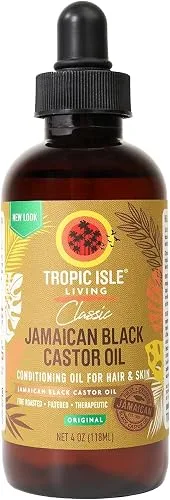
Affiliate links: I may earn a small commission at no extra cost to you. Prices as of Nov 27, 2026, and may change.
Wash Day Changes in Winter
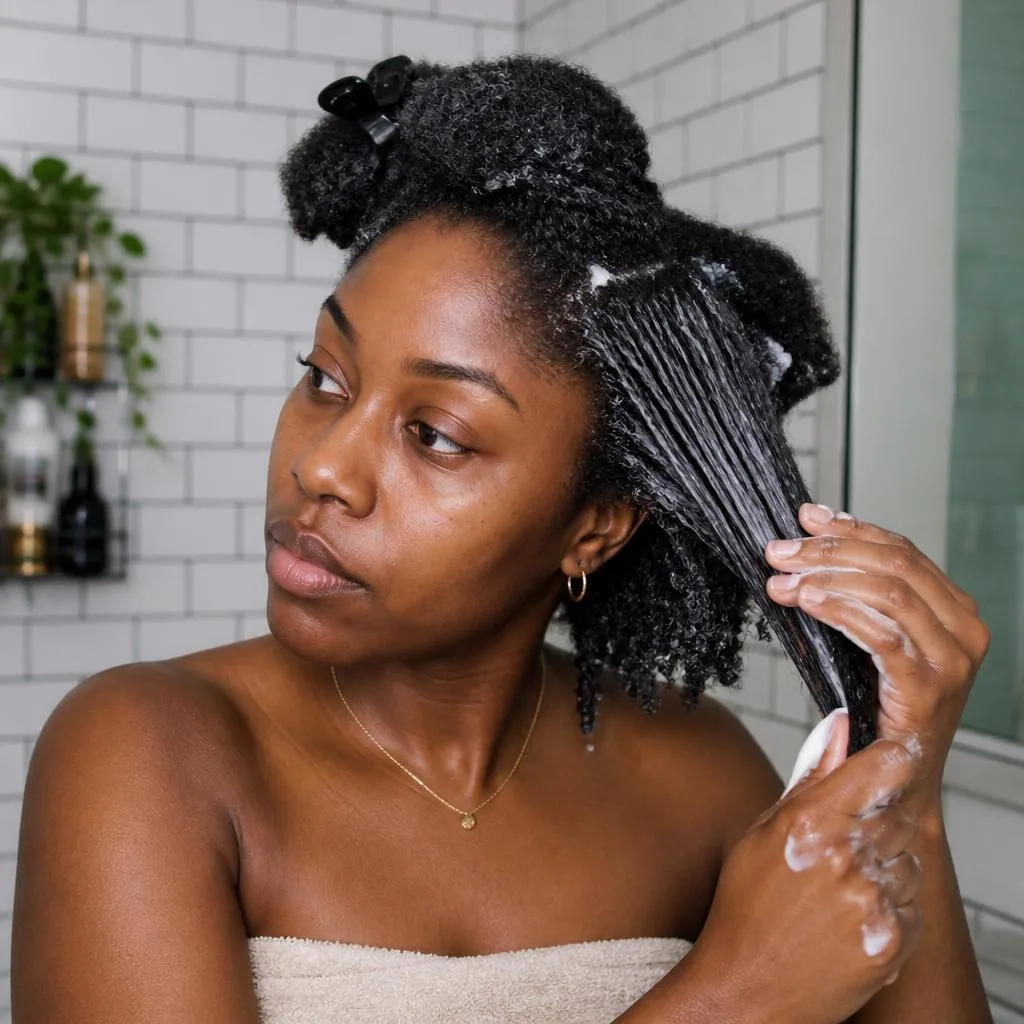
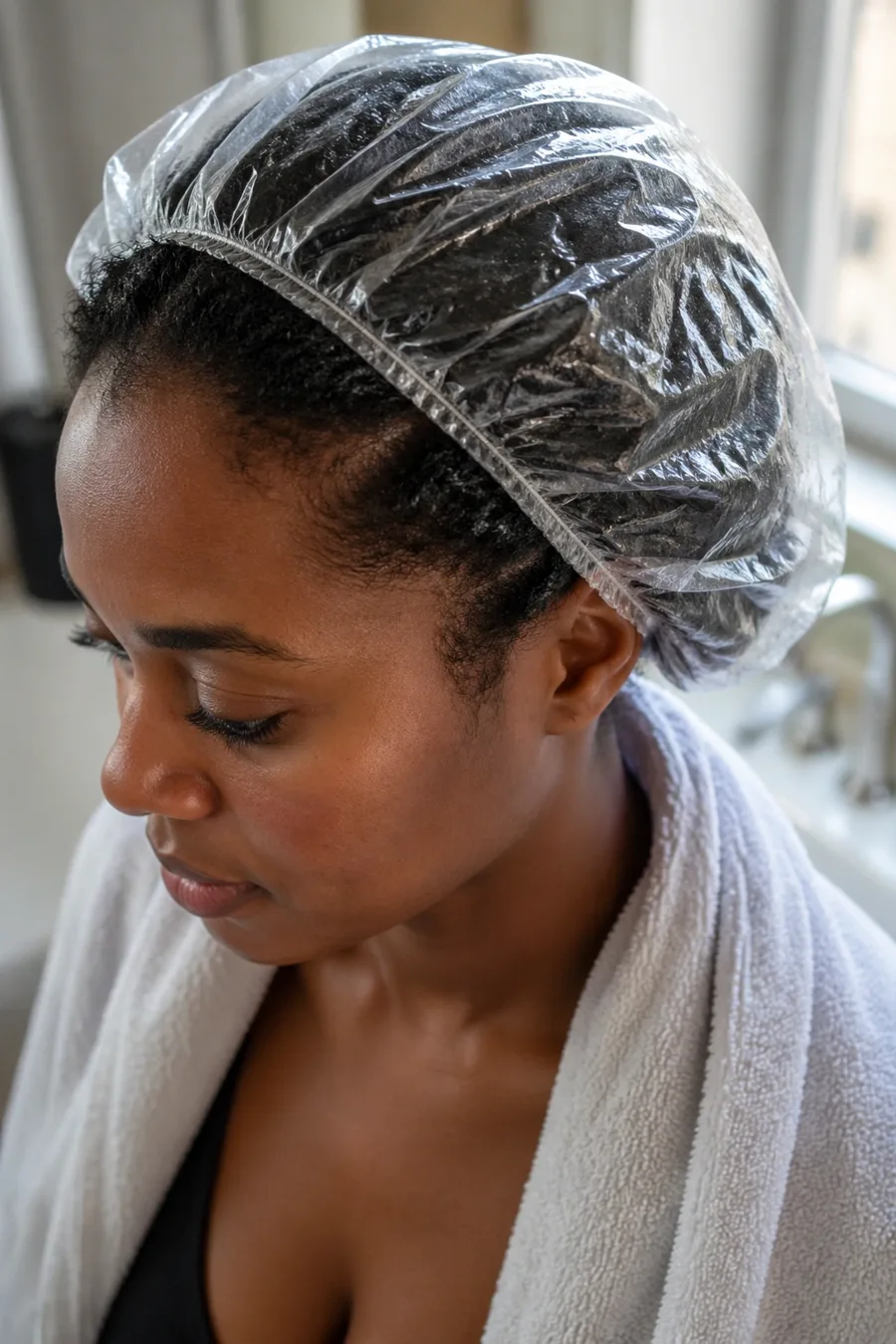
In winter, wash day shifts from cleansing focus to conditioning focus: co-wash more often, shampoo less harshly, and deep condition with heat every single wash. Heat lifts the cuticle so the conditioner actually enters the strand instead of rinsing off the surface.
Co-washing, rinsing with conditioner instead of shampoo, works once a week for most natural hair in winter, with a gentle sulfate-free shampoo every second or third wash to prevent buildup. If your scalp gets itchy or flaky, shampoo sooner; a healthy scalp outranks any schedule. Deep condition for 20-30 minutes under a plastic cap with body heat, a hooded dryer, or a heated cap, every wash, no skipping until spring.
Here is the full winter wash day, in order:
- Pre-poo with a cheap conditioner or oil for 20 minutes to protect the hair from wash-day friction and water swelling.
- Detangle in 4-6 sections with your fingers first, then a wide tooth comb, while the pre-poo is still in.
- Co-wash or shampoo section by section, focusing the cleanser on the scalp and letting the rinse clean the lengths.
- Apply deep conditioner generously, twist each section, and sit under heat for 20-30 minutes.
- Rinse with cool water, then apply your LOC or LCO layers on soaking wet hair for the best absorption.
- Style immediately into twists, braids, or your protective style while the hair is still damp and detangled.
- Dry fully before bed. Sleeping on wet natural hair invites tangles, matting, and a sour scalp.
Protective Style Rotation and When to Take Breaks
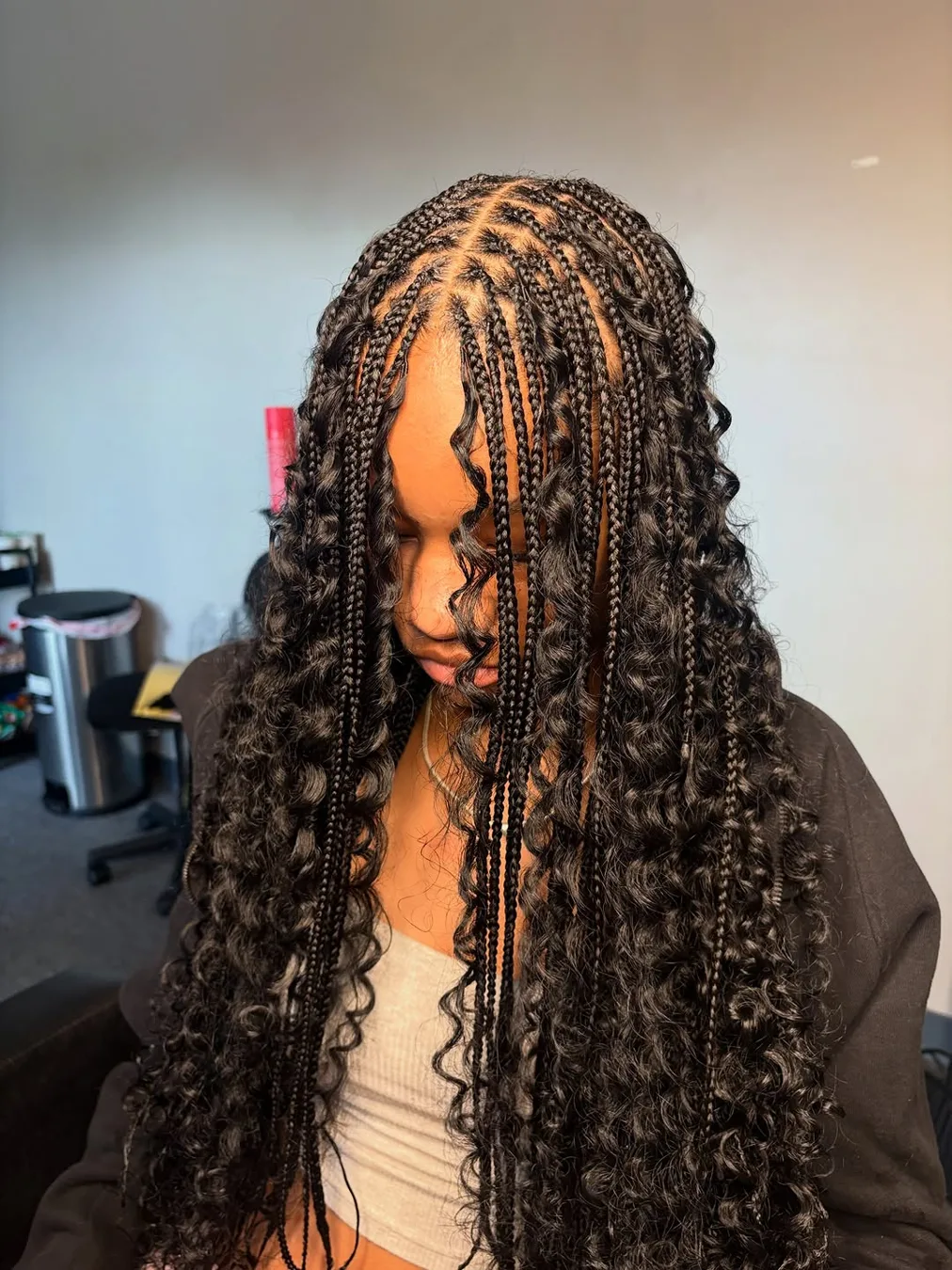
Protective styles are the backbone of a winter routine, but only in rotation: wear a style for 4-6 weeks, then give your hair a 1-2 week break of loose, low-manipulation care before installing the next one. Back-to-back installs with no break are how edges thin and ends quietly break off.
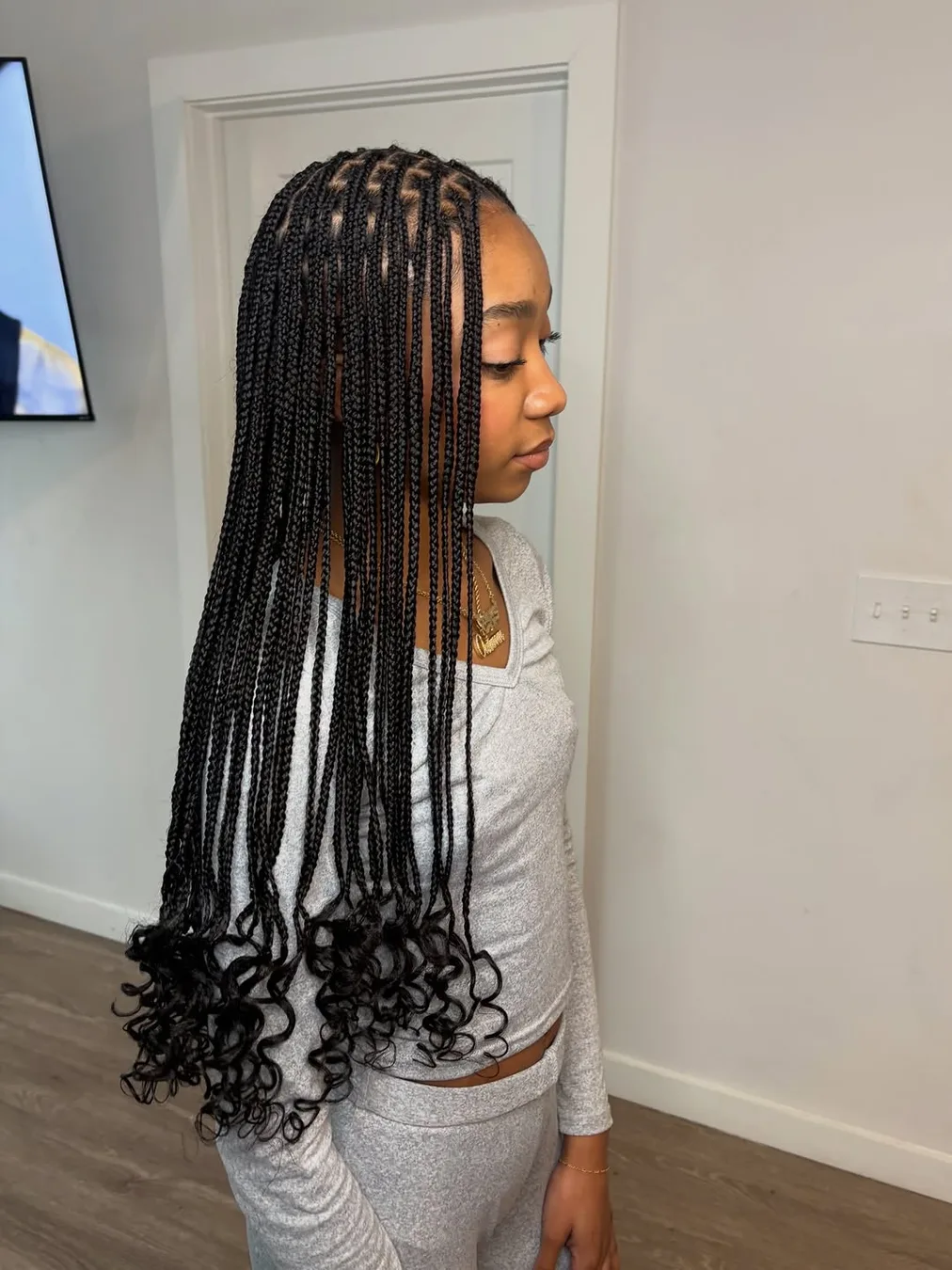
Good winter rotation options include knotless braids, two-strand twists, flat twists, and wigs over cornrows. Whatever you choose, keep moisturizing while the style is in: mist the hair with water and leave-in every 2-3 days and oil the scalp weekly. A protective style that never gets moisture is just a breakage style with better marketing.
Take a style down early if you see heavy buildup at the roots, if your edges feel tender, or if the style has passed six weeks. During the break week, do a full wash day with a protein treatment if the hair feels mushy, trim if needed (more on that below), and let your scalp rest before the next install. Holiday styles count in the rotation too, so plan your Christmas braids as one slot in the cycle, not an extra.
Scalp Care and Winter Itch
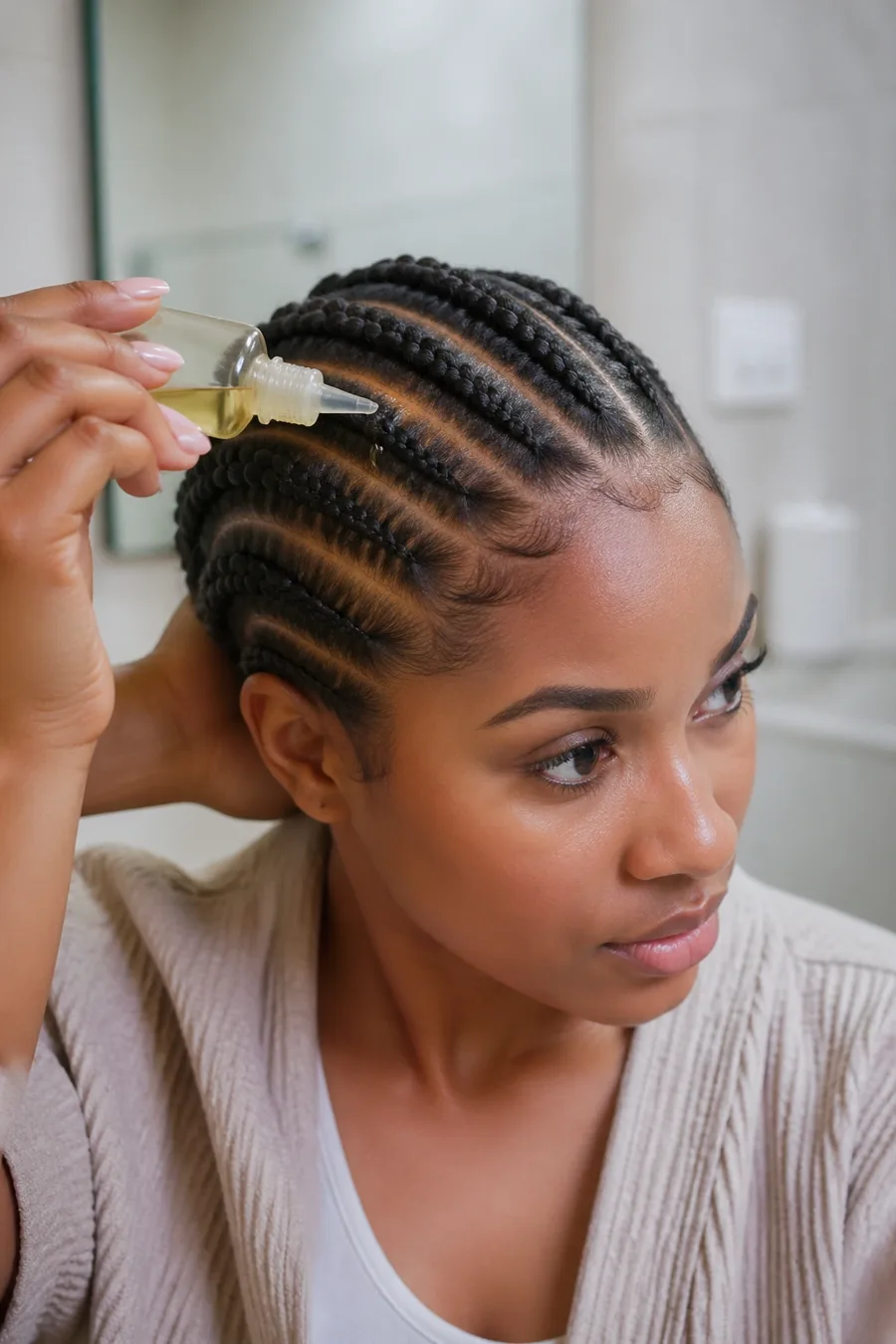
Winter scalp itch is usually dryness plus buildup, not dandruff, and it responds to gentle cleansing and light oiling rather than harsh anti-dandruff shampoo every week. Keep the scalp clean, keep it lightly oiled, and stop scratching with your nails.
Wash the scalp properly at every wash day, using your fingertips in small circles for a full minute. Between washes, if itch starts, apply a few drops of jojoba or tea tree blended oil directly to the scalp with a nozzle bottle and massage for 30 seconds. If you wear braids or twists, cleanse the scalp weekly with diluted shampoo on a cotton pad or a scalp rinse, and never let a protective style go more than two weeks without a scalp cleanse.
See a dermatologist if you get thick flakes, sores, or patches of hair loss. Those are beyond routine care, and catching them early matters more than any product.
The Night Routine: Satin Is Not Optional
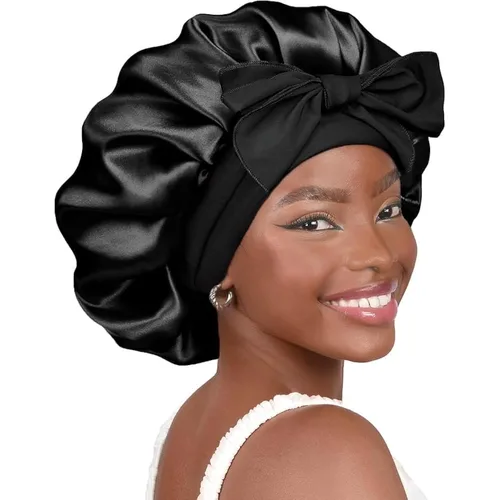
A satin bonnet or satin pillowcase is the cheapest length-retention tool you own. Cotton pillowcases absorb your moisture layers overnight and rough up the cuticle with friction, which is why winter breakage so often shows up as one thinner side, the side you sleep on.
- Wear a satin or silk bonnet every night, or sleep on a satin pillowcase, and ideally do both in winter.
- Put loose styles up in a pineapple or 2-4 chunky twists before bed so the ends are not crushed under your head.
- Under hats, wear a satin-lined beanie or put a satin scarf under your wool hat. Wool on bare natural hair is a breakage machine.
- If your bonnet slips off, the pillowcase is your insurance policy, which is why the combination matters.
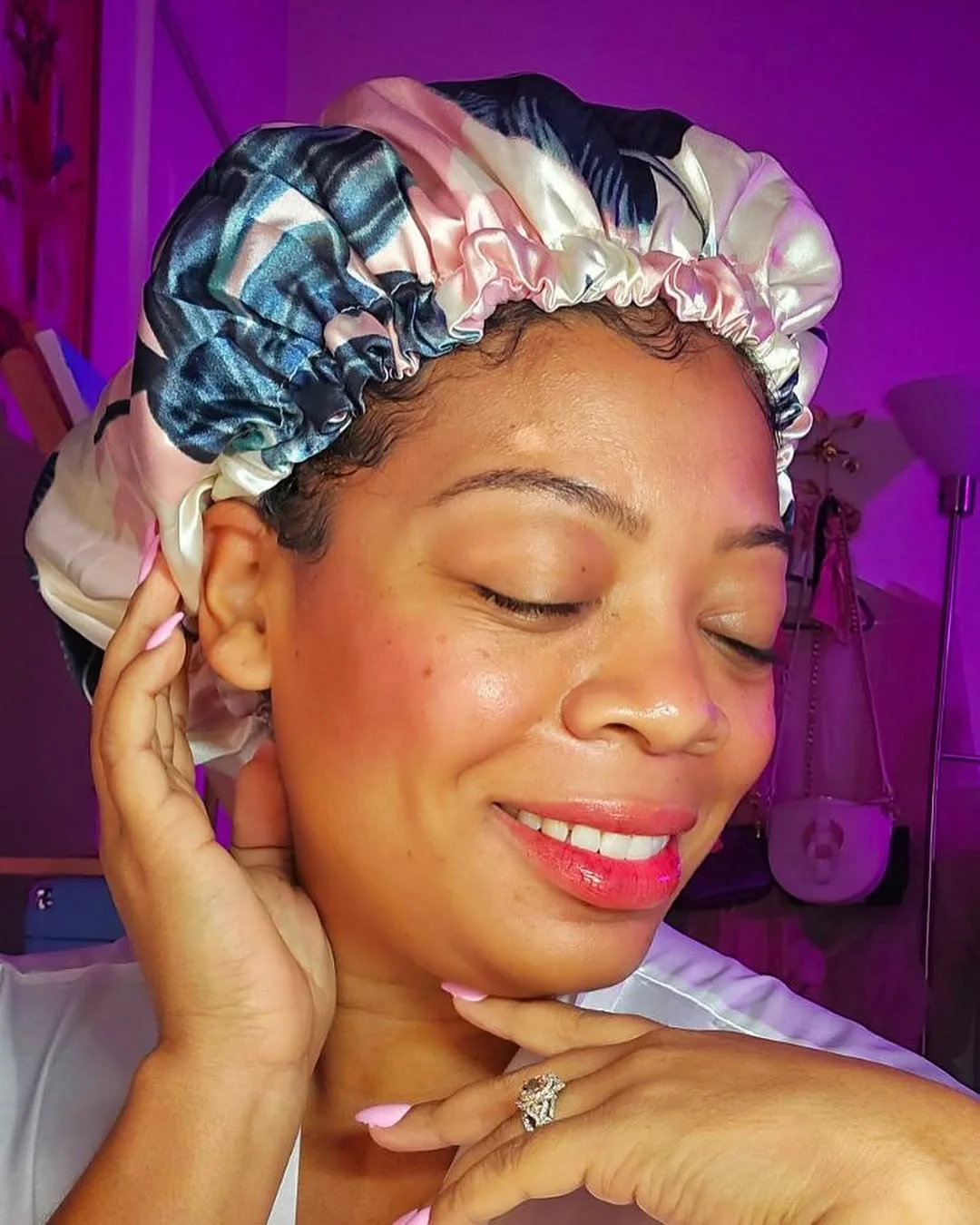
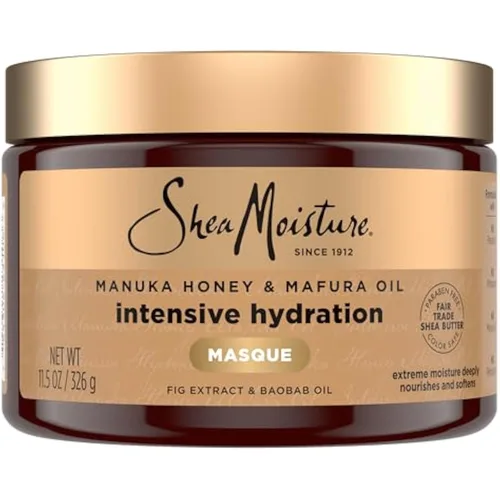
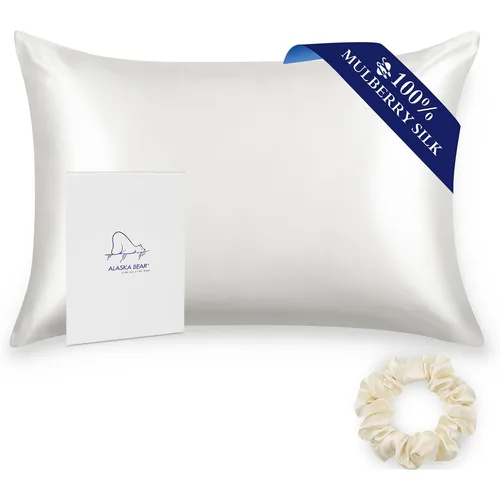
Affiliate links: I may earn a small commission at no extra cost to you. Prices as of Nov 27, 2026, and may change.
A Sample 4-Week Winter Routine
A four-week cycle balances moisture, protein, protection, and rest so nothing gets overdone. Repeat this rhythm all season, adjusting only the protective style you choose in week two.
| Week | Wash day focus | Style | Midweek care |
|---|---|---|---|
| Week 1 | Full wash, deep condition with heat, trim check | Two-strand twists or a twist out | LOC refresh on day 3-4, scalp oil once |
| Week 2 | Co-wash only, deep condition | Install protective style (braids, twists, wig) | Mist hair every 2-3 days, cleanse scalp at week end |
| Week 3 | No wash if style is fresh, scalp cleanse only | Protective style continues | Mist and oil routine, check edges and tension |
| Week 4 | Full wash after takedown, protein if hair feels mushy | Loose low-manipulation week, no install | LOC refresh twice, breakage check, plan next style |
This cycle is a winter version of the year-round basics in our winter hair care guide, which covers straight, wavy, and curly hair too. If your hair is relaxed or heat styled, the moisture and satin rules still apply; only the styling steps change.
Trimming and Breakage Checks
Check your ends every 4 weeks in winter and trim only what is actually damaged: thin, see-through ends, single strand knots that keep returning, and splits you can see. Most natural hair needs a light dusting of 0.25-0.5 inch every 3-4 months, not a big seasonal cut.
Learn to tell breakage from shedding, because they need different responses. Shed hairs are full length with a tiny white bulb at one end, and losing 50-100 a day is normal. Broken hairs are short pieces with no bulb, and a sink full of them after gentle styling means your moisture or protein balance is off, or a style is too tight.
- Run the strand test monthly: stretch a wet strand gently. If it stretches and snaps fast, you need moisture. If it stretches and stays mushy, you need protein.
- Search and destroy single strand knots with sharp hair scissors, one knot at a time, never by pulling.
- Always trim on stretched or straightened hair with proper shears, never kitchen scissors, which crush the strand and create new splits.
FAQs
How often should I moisturize natural hair in winter?
Do a full LOC or LCO routine once a week on wash day, then refresh with a water mist and a little cream every 2-3 days, or whenever your hair feels dry to the touch. In heated indoor air, most 4C hair needs that midweek refresh to stay ahead of breakage.
Is LOC or LCO better for 4C hair?
Neither is universally better; your porosity decides. Low porosity hair usually prefers LCO, because the oil goes on last and cannot block the cream out. High porosity hair usually prefers LOC, because the oil seals water in early. Try each for two weeks and keep the one that leaves your hair soft on day three.
How long can I keep a protective style in during winter?
Four to six weeks is the safe range for braids, twists, and wig rotations in winter. After six weeks, buildup, matting at the roots, and dry neglected ends start costing more length than the style saved. Always take a 1-2 week break between installs.
Why is my scalp so itchy in winter?
Winter itch is usually a dry scalp plus product buildup, made worse by going longer between washes. Cleanse the scalp properly on wash day, oil it lightly once or twice a week, and cleanse weekly while in braids. Thick flakes, sores, or hair loss patches need a dermatologist, not a new oil.
Can I skip deep conditioning if I co-wash every week?
No. Co-washing cleans gently but adds only surface moisture, while deep conditioning with heat is what gets moisture inside the strand for the week. In winter, deep condition at every wash, co-wash or shampoo, for 20-30 minutes with heat.
Winter does not have to cost you length. Put moisture on a schedule, protect your ends in rotation, and guard your hair at night, and you will reach spring with more hair than you started with. Save this to your hair board so the 4-week routine is ready before your next wash day.

Twelve years behind the chair taught me one thing: the best hairstyle is the one that works on your hair, your morning and your budget. That is the standard for every guide here.